Wine shopping advice for a frustrated foodie friend. What Tracie and I are drinking at home these days.

A good friend and blogging colleague reached out to me over the weekend for wine shopping advice. She had been disappointed by the attenuated food friendliness in the wines she had recently purchased. Here’s what I shared with her. Thanks for being here everyone and thanks for the support. Buon weekend a tutti.

Hey Renia, sounds like I need to do some personal wine shopping for you! I’d be happy to. Here is what I recommend in the meantime.

1) is look at the alcohol levels on the wine. The lower the better. 11 percent is a good rule of thumb for white. 13 for red. Low or restrained alcohol tells you a lot about the style of the wine. Low alcohol is always more food friendly.

2) go to your local independent wine shop and talk to the sales persons about your preferences. You might find someone to help you at HEB or Kroger but they just don’t have the bandwidth to sit down with you and say, hey, what kind of wine do you want/need? What do you and your family regularly eat? Special occasion or glass of wine with dinner? A great wine sales person will help you find the balance you are looking for (it’s expensive but Tracie and I still like Houston Wine Merchant as a full-service shop but there are so many cool new shops now with folks who are excited to share their wine knowledge).

Lastly, 3) sometimes it’s worth it to spend a little extra. I have a friend who only drinks one glass of wine a night with dinner. He buys a mid-tier bottle of Barolo ($50?) but the wine stays good for more than a week. In the end, he’s paying less than $10 per glass for a top wine (drinking one glass a night, 6 glasses per 750ml bottle).

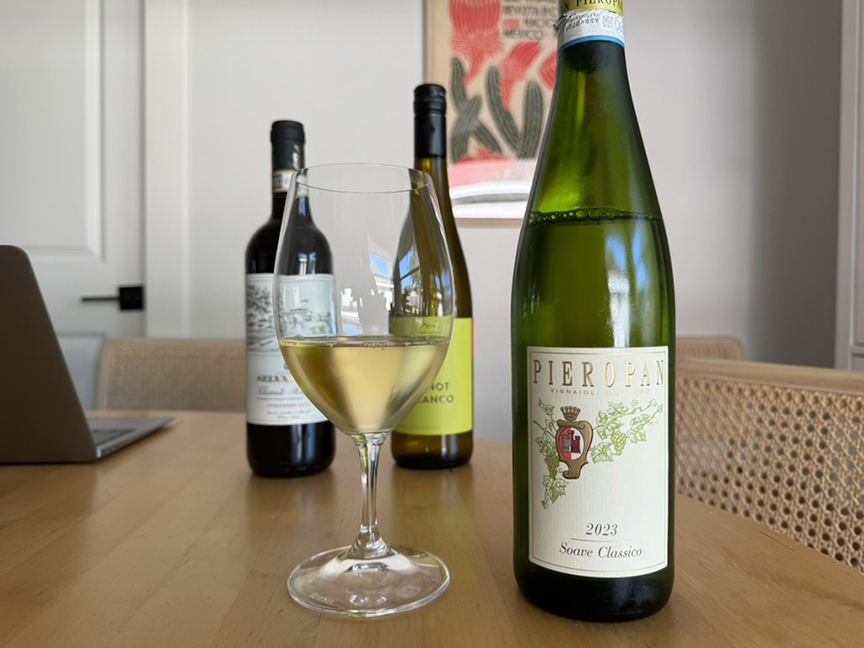
For reds, right now Tracie and I are enjoying Selvapiana Chianti Rufina (under $20), Calera Pinot Noir (under $25). Both stay good for at least a week. For whites, Erste Neue Pinot Bianco (under $15 at Wholefoods) and Pieropan Soave Classico ($18 at HEB if you do the six or more mix and match discount).

Hoping this is helpful. Hit me up if you want to go wine shopping together. I would love that.

Hope you guys are well. Abbraccione

Los Angeles, Abruzzo needs you. Houston, I need you.

From the department of “so much time and so little to do”…

The tasting season has just begun and I’ve got a ton of fun things lined up.

Top on my list is the two Abruzzo dinners I’ll be leading in Los Angeles at Rossoblu, my old stomping grounds.

Tuesday, October 15
Abruzzo Trade Dinner at Rossoblu
Downtown Los Angeles

I’ll be hosting an Abruzzo trade dinner. Please email me (here) if you’d like to attend. It’s open to ANYONE who works in the food and beverage industry. Chefs, servers, front of house… Anyone who would like to learn more about Abruzzo wines in a convivial setting.

Wednesday, October 16
Abruzzo food and wine lover dinner at Rossoblu
Downtown Los Angeles

The restaurant doesn’t have a registration link up yet but please save the date. This is open to anyone and costs just $140. These are super fun and the crowd is always amazing.

Monday, October 28
Do Bianchi Supper Club at Davanti
Houston

I’m super stoked about this new series that I will be doing with Oliver Calza and Chef Roberto Crescini at Davanti. I don’t have the theme for our first event but I can tell you that it will be limited to 12 persons. We’re planning to keep it moderately priced. Can’t wait for this! Email me (here) if you’d like me to hold a spot for you.

Thanks for your support and solidarity! Abruzzo and I need your tastebuds!

Other events to have on your radar…

I’m presenting an Abruzzo seminar for trade October 2 in Boston.

I won’t be in town for this but my buddy Jeff Porter is doing an Umbria event in Houston on October 8. Email him (here) to snag your spot. Jeff is an amazing presenter and wines look great.

I’ll be presenting at Taste of Italy in Dallas and El Paso, October 8 and October 10.

I just added an Abruzzo event in Denver on October 31.

And my vermouth event in Tulsa on November 18 has been confirmed.

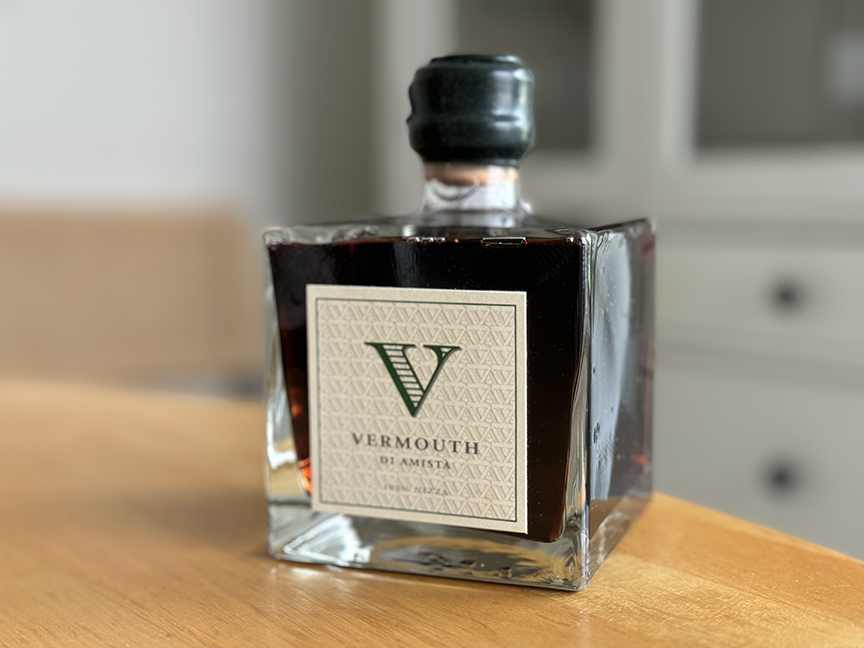
Taste Vermouth di Torino with me next month in NYC: Amistà has a new importer and I’m coming to town! Hit me up if you would like to partner with us.

From the department of “the wine is on the water!”…

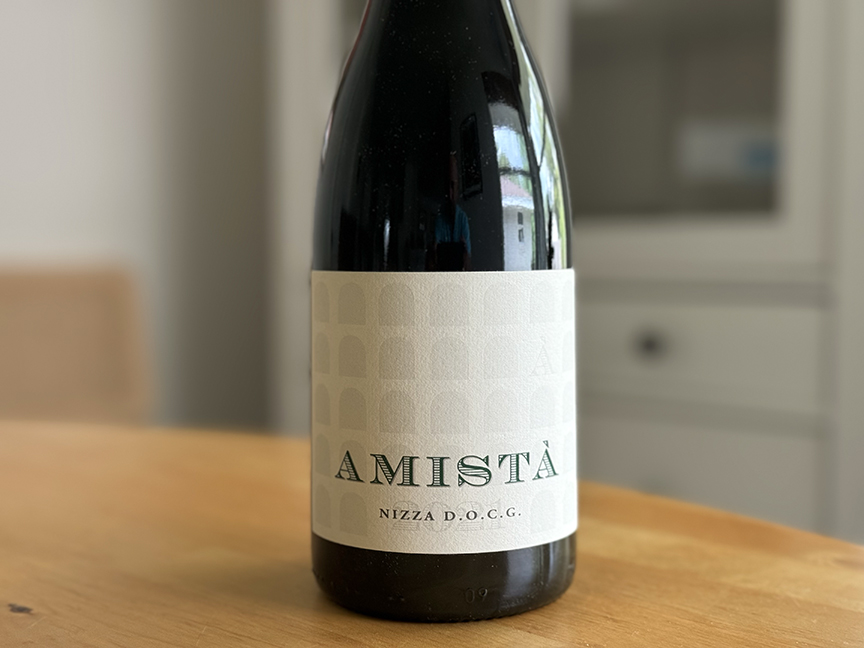
It’s a project that I hold dear: Amistà, an organic farm in the Nizza DOCG, producer of top wines grown and vinified by Luca D’Attoma and producer of an organic red wine-based Vermouth di Torino, also made by Luca.

It’s been a wonderful experience working with the vermouth, wines, and people behind the estate. And the best news is that Amistà is now imported to the U.S. by one of my best friends in the wine business, Dino Tantawi, who together with his son Adam, runs Vignaioli Selections in NYC.

One thing that sets the Amistà Vermouth di Torino apart from the crowd is the base wine. Most vermouth — including higher end Vermouth di Torino — is made from lower quality wine whereas the Amistà is made from organically farmed Nizza — the same wine that goes into the Nizza DOCG. The quality really shows in the final product.

The Amistà Vermouth di Torino is also unusual because it’s made from red — not white — wine. This means that no caramel is added, something that makes a huge difference in the aromatized wine’s flavors and texture.

The other thing that makes it a star among vermouth is that is blended by Luca who has been having a lot of fun delving into a world that he usually doesn’t inhabit.

It’s a remarkable product and I can’t wait to pour it for you.

I’ll be working the market with Dino and Adam the week of October 21. Please let me know if you’d like to taste with us.

And with our relaunch, we are also looking for regional partners. Texas is already in the works and California is next. But please reach out if you’d like to try the vermouth and/or chat with me about it.

I’m super geeked about this next chapter and I’m looking forward to connecting with like-minded souls. Even if you are just curious to taste, please let me know.

The wine — and the Vermouth di Torino — are on the water!

The Abruzzo subzone that everyone is talking about comes to life in a new book

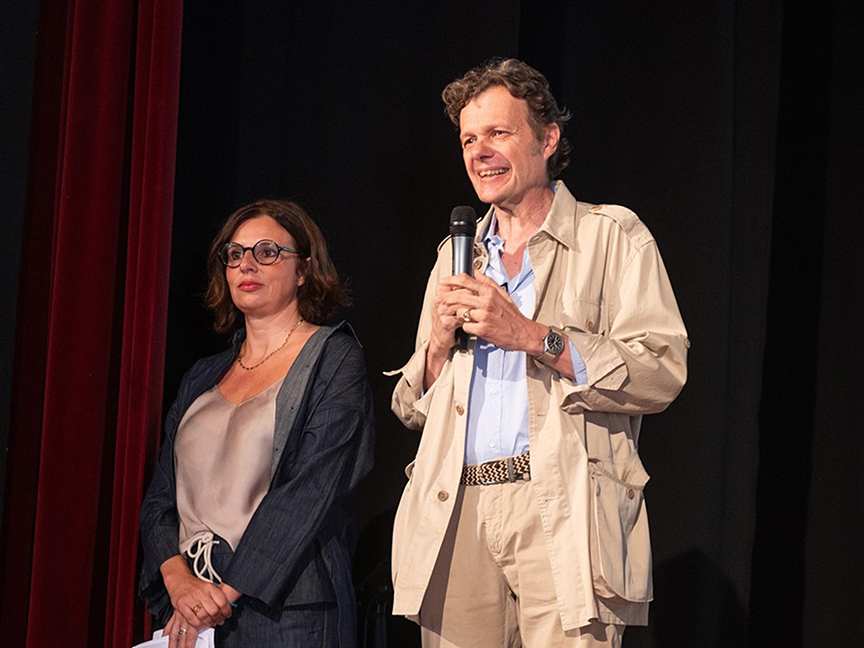
Above: Chiara Ciavolich and Francesco Valentini in late July at a presentation of a new book on Loreto Aprutino by Francesco’s son Gabriele, published by a newly established consortium of Loreto Aprutino growers (image via the Custodes Laureti Facebook).

Armando Castagno, Italy’s greatest living wine writer imho, and I once got into a fight.

You can’t blame American wine writers, I told him, for not knowing or writing about a particular appellation, even despite the elevated overarching quality of the wines. It’s the producers’ fault, I argued: they should work more diligently to market their wines and themselves.

No, no, no! Armando, a good friend, admonished me. That is the very job of the wine writers! To go out and find the wines and write about them!

Armando was recently asked to present a new book on Loreto Aprutino, the Abruzzo subzone that everyone — wine writers in particular — should be talking about.

Published in a bilingual version, the English title is The Wine-Growing Lands of Loreto Aprutino, by Bologna University researcher Gabriele Valentini (not to be confused with Francesco’s son Gabriele). Not exactly a sexy title, unless like me, you are interested in understanding soil, climate, tradition, and all else that goes into the great terroirs of the world.

The group behind the project, Custodes Laureti (Latin for the guardians of Loreto Aprutino), count some of Abruzzo’s top producers as members: Amorotti, Ciavolich, De Fermo, Talamonti, Torri dei Beati, and Valentini.

But it’s the new survey of Loreto Aprutino’s history and — most significantly — its soil types and the impact of a changing climate that has me on the edge of my seat. I highly recommend it to you.

The Custodes Laureti are still working on their website. But you can contact them via email at custodeslaureti@gmail.com and you can also visit their Facebook.

Over the course of my 18 months working with the Abruzzo consortium as their U.S. ambassador, I have received countless emails from wine writing colleagues asking me how to get an appointment at just one Abruzzo winery in particular, eliding the rest. I have heard would-be wine professionals wax on about the same two or three wineries — over and over again — that have appeared in the writings of a handful of bloggers and journalists.

It’s time, as Nietzsche wrote, to look behind the sacred texts. Abruzzo wine country has so much for us to discover. American wine writers, your work is cut out for you! If you have trouble obtaining a copy, I’ll be happy to lend you mine.

Rock out with us Sunday @vinsantohtx!

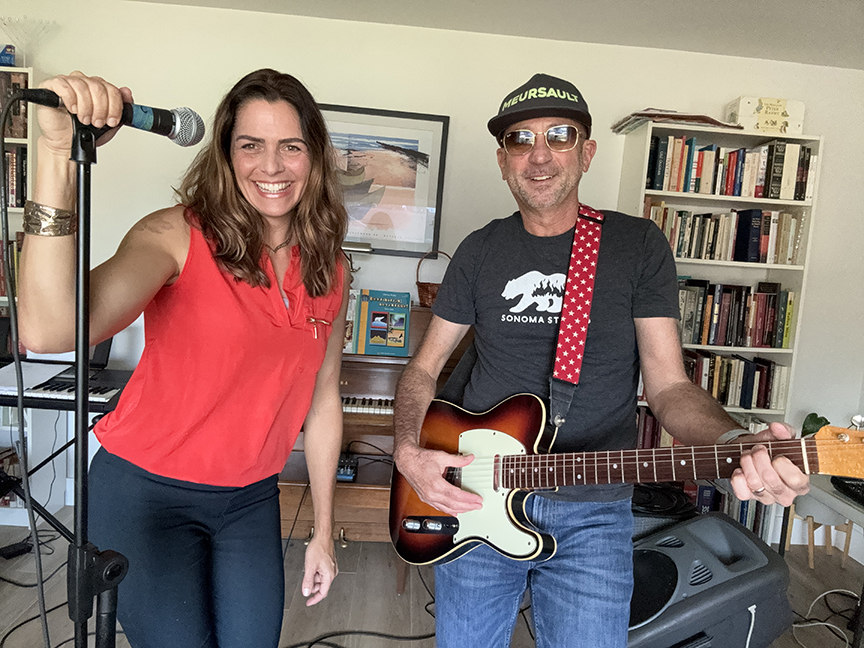
NO COVER me and Katie White LIVE THIS SUNDAY with the biodynamic band @vinsantohtx 4-5 pm kid friendly @tracieparzen and the girls will be there too come on down Katie the boys and I have a great set for you thank you for your support drink good wine eat pinsa and hang with the crew!

A new blog for J. Hofstätter is a dream gig for me.

Who said wine blogging was dead?

When J. Hofstätter’s U.S. importer reached out to me earlier this year to talk about launching a media project for the winery, I couldn’t have been more thrilled.

I have tasted with Martin Foradori-Hofstätter over the years and have always loved the wines. And I’ve always felt a connection to Alto Adige because of my many visits there during my university days. I’ve even visited the Ladin library there (super cool btw).

M.S. Walker, the winery’s U.S. partner, asked me to create a media suite for the winery. There was already so much great information out there, they reckoned, but it needed to be organized and articulated on an internet-friendly platform.

Thus was born the Hofstätter Media Resource blog (HofstatterMedia.com).

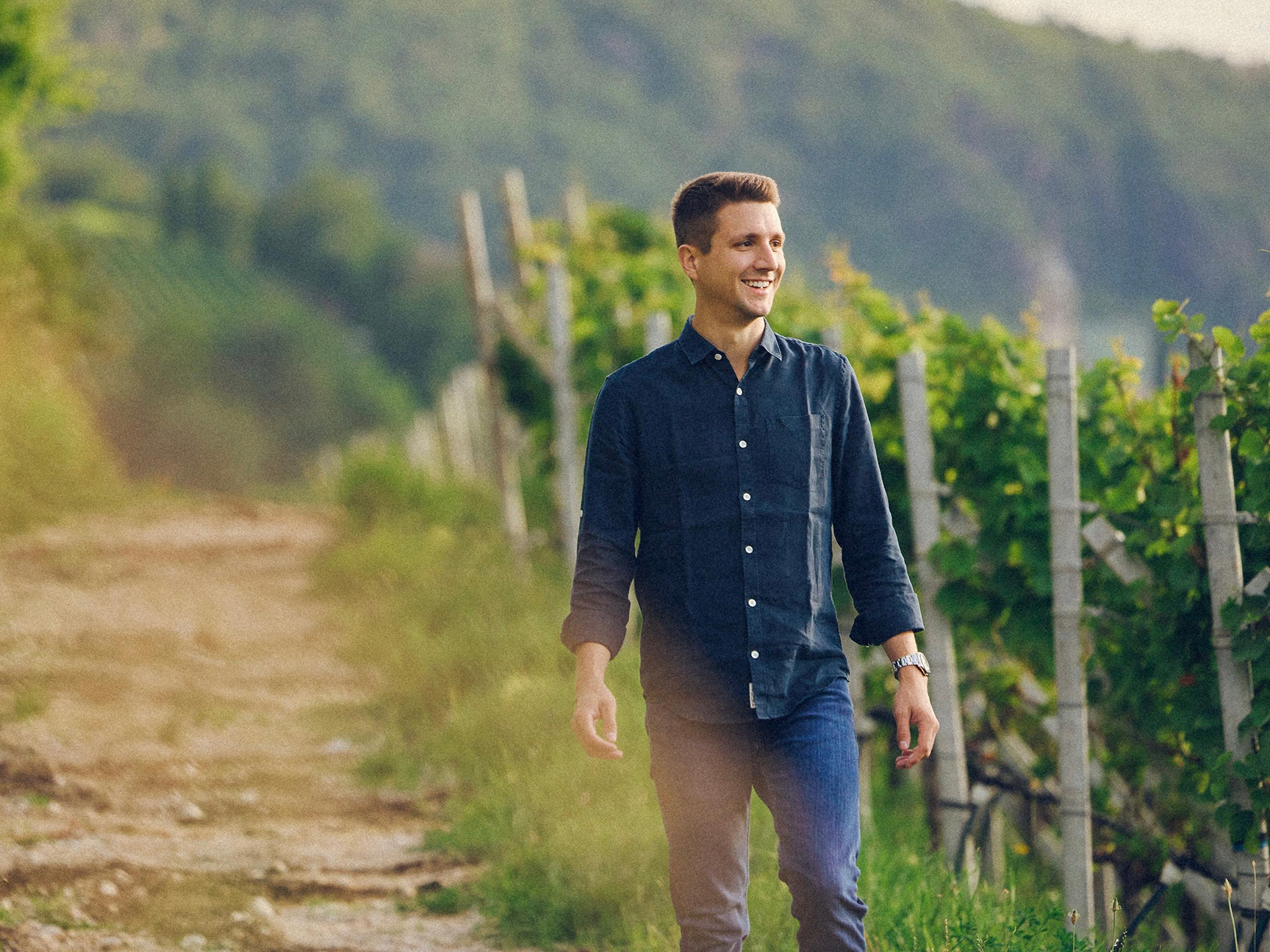
As soon as we headed up to Bolzano province where I met with Martin’s son Niklas (above).

What an incredible visit!

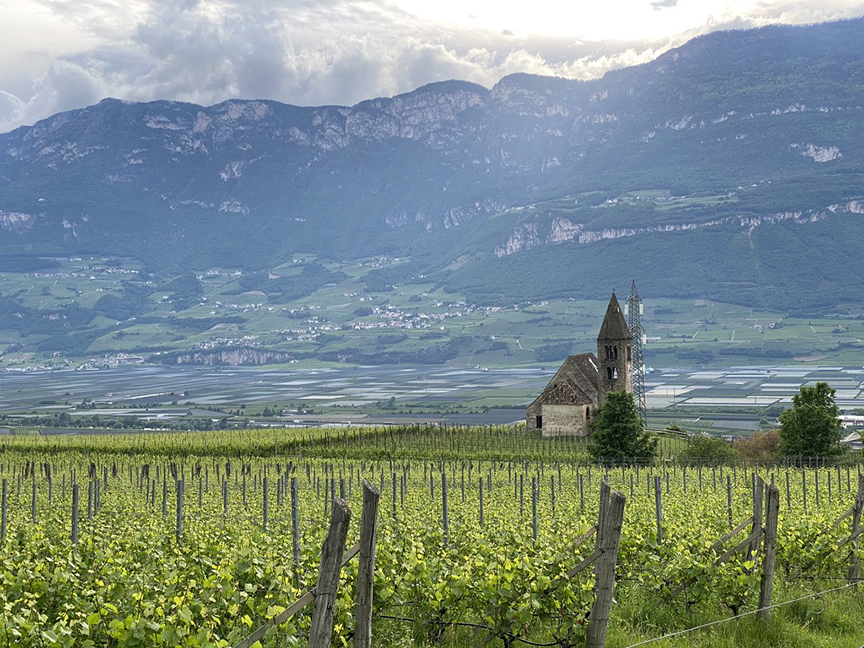
The project focus is the winery’s single-vineyard designate wines. That’s the famous Sant’Urbano vineyard (above) on the Barthenau farmstead on the east side of the valley where their top wines are grown.

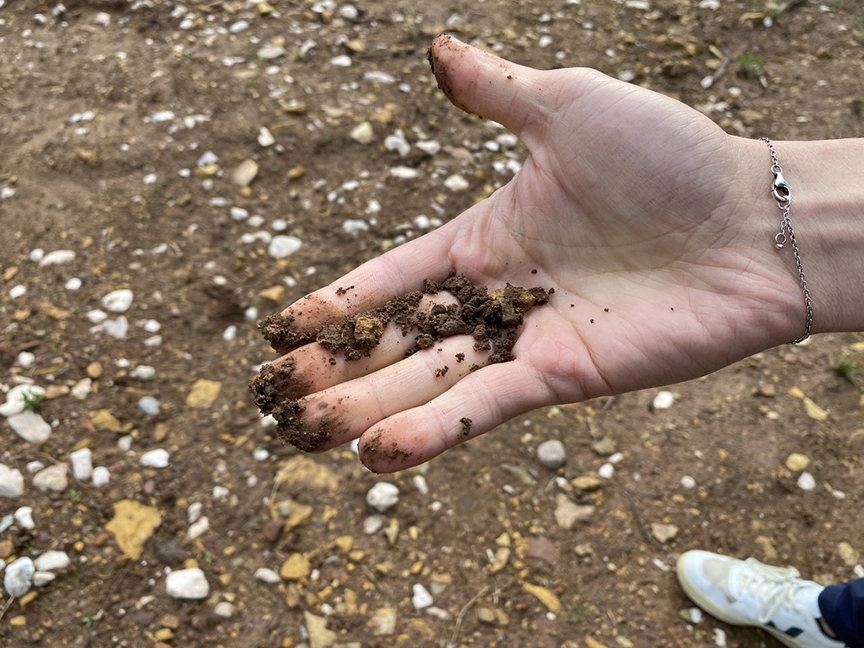
I wish I could convey the electricity — literally, a buzz — as Niklas, who is the super coolest dude btw, physically walked me through the soil types on both sides of the valley.

He and I have been having so much fun with the campaign and we’ve also started a YouTube where he shares his insights and anecdotes about South Tyrolean viticulture.

Ultimately, the winery will be sharing some of our posts on their own social media. But you can follow it all in real time over at the blog, including an email subscription link.

The winery is currently posting a series of harvest photos. It’s worth checking out (here).

I feel so blessed to do what I do for a living and to get to work with such talented and brilliant people like Niklas.

Did someone say that wine blogging is dead?

The wines and the stories are well worth the visit.

Please check out our site and thanks for the support and solidarity!

Valentini’s clarion call on climate change: “If it continues, I will no longer be able to make wine.”

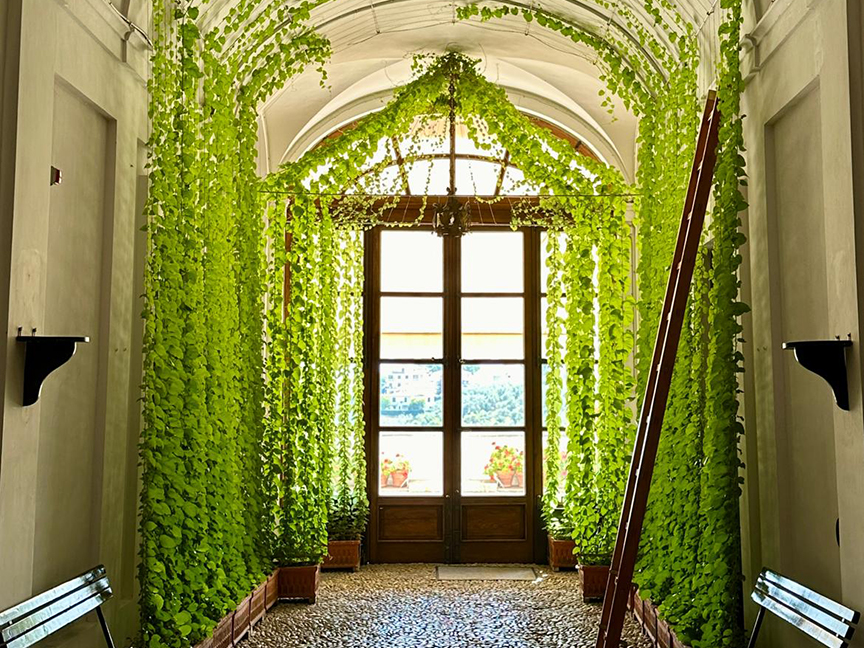
Above: the Valentini family’s foyer is lined with living ivy.

The most remarkable thing happened during a visit with the Valentini family in Abruzzo in July.

After a long discussion of viticulture and climate change, Francesco Valentini — one of the most charismatic and eloquent winemakers I’ve ever met — asked us if we had any questions for him.

One of my colleagues said, “yes, I do. Thank you for this wonderful tasting and chat. Please tell us if there is something we can do for you.”

His eyes opened wide, as if he had been waiting for this moment the entire time.

“Yes, there is,” he said. “Please go out into the world and tell people about what I have just told you… If climate change continues, I will no longer be able to make wine the way I want to and I will stop producing wine.”

He pointed us to an article published in 2019 by the academic journal “Science of the Total Environment” entitled “Precipitation intensity under a warming climate is threatening some Italian premium wines.”

Authored by researchers at the Department of Psychological, Health and Territorial Sciences, University of Chieti-Pescara, and the Department of Meteorology and Atmospheric Science at Pennsylvania State University, the study uses data from Valentini dating back to 1820 when the winery began keeping records of harvest dates with each vintage. Valentini offered the scientists a unique trove of information that stretched back nearly 200 years.

“Although the impact of precipitation amount and drought on wine grape phenology have been investigated,” write the authors,

    knowledge of the role of precipitation characteristics is very limited. Here we show that the precipitation intensity, which is the precipitation amount divided by the number of the rainy days (NRD), has also caused early grape harvest dates for one grape varietal. Using the harvest dates (1820–2012) of a premium wine made by a winery that has kept the cultivation methods and practices unchanged since 1650, we found that for growing seasons since 1960, annual harvest dates have been getting early as temperature increases (−5.92 days °C−1) and more intense precipitation events occur (−1.51 days/(mm/NRD)). Our results are consistent with the hypothesis that the increasing tendency of precipitation intensity could exacerbate the effect of global warming on some premium wines that have been produced for >400 years.

Read the entire abstract here.

Our meeting was one of the most compelling winery visits I’ve ever made. From the conversation to the wines, from the urgency of Francesco’s words to the dreadful thought that wines like these — world treasures — may cease to exist because of the greed and myopia of industry and politicians.

My heartfelt thanks goes out to Francesco, Elèna, and Gabriele Valentini for opening their home to our group. Warm thanks also to James Tidwell, Alisha Blackwell-Calvert, Christy Frank, and Tiffany Bobbs for joining me for the occasion. Photo by James Tidwell.

Artificial lakes once served solely to bolster biodiversity. Now they are a vital water resource.

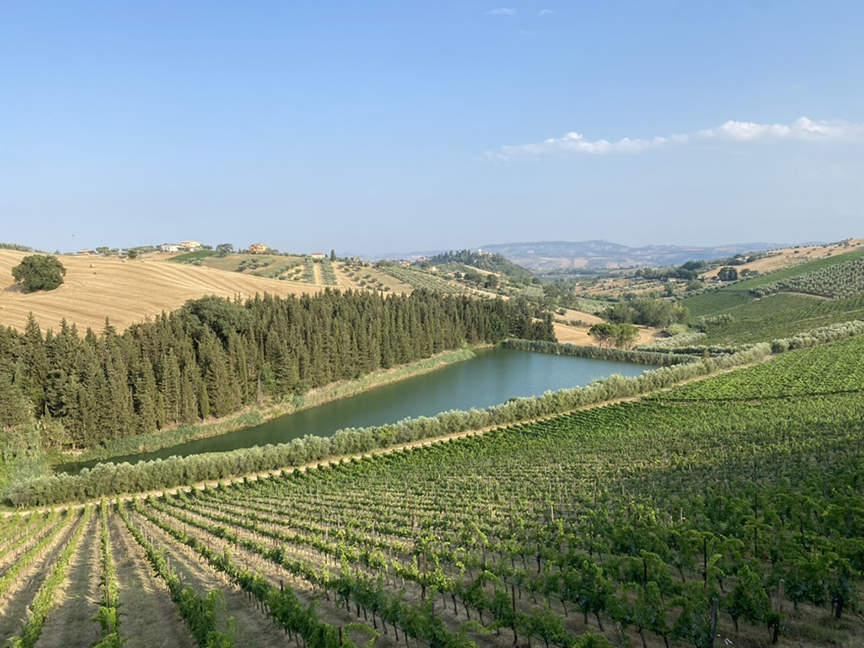
Every time I visit the Nicodemi farm in Colline Teramane, Abruzzo (above), I am reminded of the first time I stopped at one of Montalcino’s most famous wineries.

Look at my flower garden! The owner would say before taking you to see the vineyards or the winery. Look at my pond!

The vineyards’ proximity to bodies of water and wild woods, he would explain, is a fundamental element in creating biodiversity, one of the keys — we know today — to making wines that transcend good and obtain great.

Back in the 1970s, when some of Italy’s most high-profile estates were just getting started, a few visionary winemakers understood the importance of bodies of water and woods on their properties (or adjacent to their properties).

But today that clairvoyance is paying off in ways that no one expected at the time: prolonged and widespread drought in Italy is prompting some eno- and agri-politicians to call for mandatory reservoirs at all wineries. Some of the more enlightened among them are advocating for consortia to create reservoir systems that will collect and provide water.

When a dream team of U.S. sommeliers and I visited Nicodemi in July, Elena Nicodemi explained how her father built the lake when he purchased the property back in the 1970s. Note the woods on the other side of the water. It would seem her father knew what he was doing.

The wines of Nicodemi are pure in their aromas and flavors, elegant in their body and texture, and transcendent in their balance. When you visit their farm, it’s easy to understand why — and how.

Meticulous organic farming and maniacal attention to vineyard management are the driving forces behind their beautiful wines. And their pond bolsters biodiversity while also providing the precious water the grapes may need in drought conditions.

Over the course of my work as the Abruzzo consortium U.S. ambassador, I’ve been impressed with Elena and her brother Alessandro’s thoughtful approach to viticulture and winemaking. Their farm and their wines — and they — are the apotheosis of what makes Abruzzo wine great.

Why do people live in the shadow of an active volcano? A hurricane corridor? Bracing for Francine.

Do you remember Rossellini’s 1950 classic “Stromboli”? When the volcano erupts on the Sicilian island of Stromboli, the characters, who all live in the shadow of Mt. Stromboli, are forced to flee in terror.

Why do people live in the shadow of active volcanoes? If you dig deeply enough in to volcanologist chatrooms, you’ll discover the deceivingly simple answer: it’s the dirt.

“Why do people live on dangerous volcanoes?” asks Richard Fisher at the department of geological sciences at U.C. Santa Barbara “The main reason is the rich volcanic soil. People are willing to take high-risk gambles for the most basic things of life — especially food.”

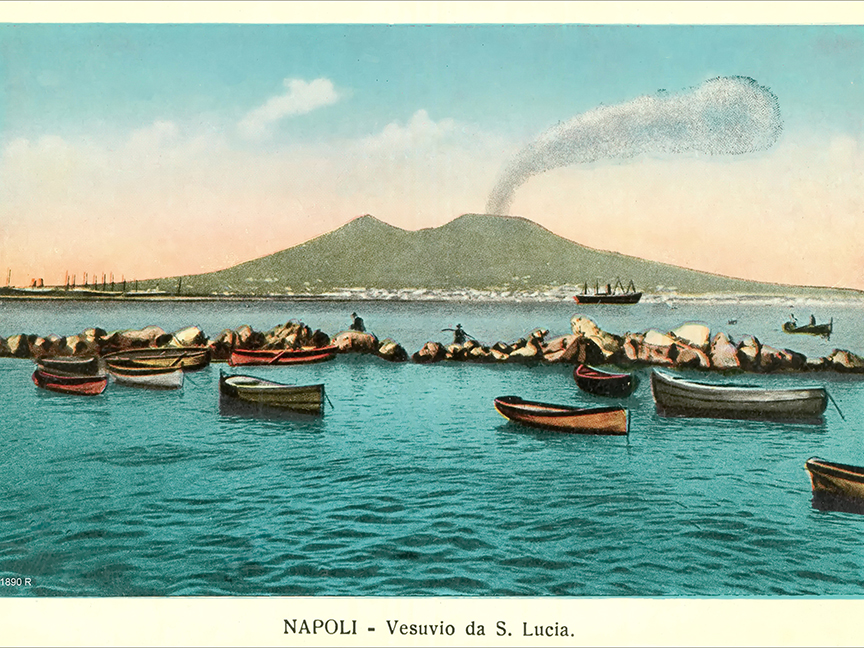
    One example of the effect of volcanoes on agricultural lands is in Italy. Except for the volcanic region around Naples, farming in southern Italy is exceedingly difficult because limestone forms the basement rock and the soil is generally quite poor. But the region around Naples, which includes Mount Vesuvius, is very rich mainly because of two large eruptions 35,000 and 12000 years ago that left the region blanketed with very thick deposits of tephra which has since weathered to rich soils. Part of this area includes Mount Vesuvius.

When I visited the Phlegraean Fields near Mt. Vesuvius earlier this year, there had just been a series of earthquakes there. It’s also an area where bradyseism (the “slow rise and fall of the earth’s crust” [OED]) is a daily hazard.

But the people remain.

As Tracie, the girls, and I brace for Francine together with our Southeast Texas community, I’ve been thinking about my friends in the Phlegraean Fields.

I’ve been thinking about my friends, colleagues, and family who remain in California’s fire and earthquake corridors.

Why do people continue to live in dangerous places? It’s because those places are where they feel a sense of community and belonging. The richness — like the richness of volcanic Phlegraean soil — outweighs the risk.

As of this morning, it seems that Francine will mostly bypass Houston and Orange, Texas where my in-laws and extended Texas family live. Thanks to all the folks who have called to wish us well. Now it’s time to hunker down and pray for the best and then help those in need.

Stay safe.

Wim Wenders’ “Paris Texas” restoration had us swooning yesterday at Houston’s Museum of Fine Arts.

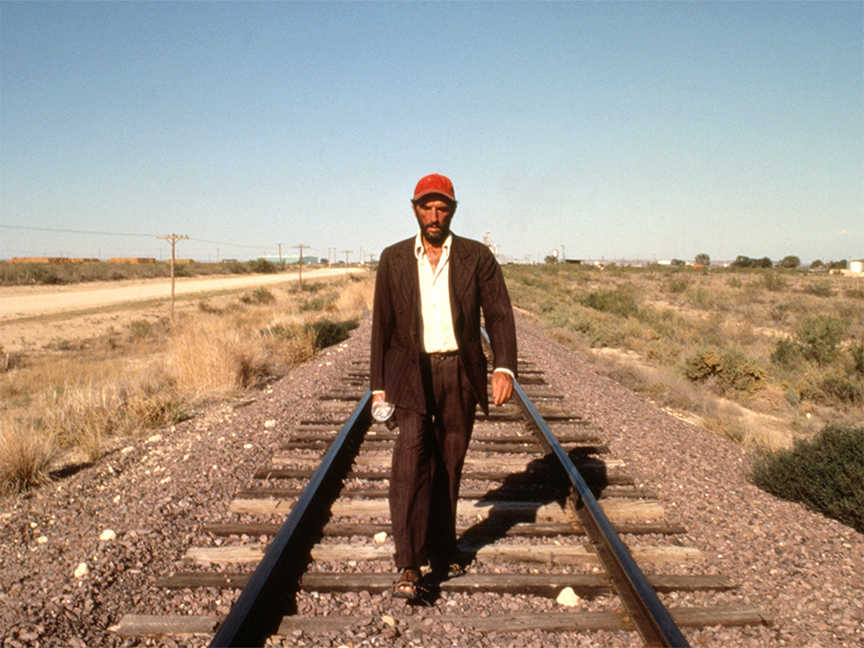
Tracie, the girls, and I had the immense pleasure yesterday of attending a screening of a newly restored version of Wim Wenders’ iconic 1984 full-length movie, Paris Texas. The movie was shown at the Museum of Fine Arts Houston, in the same theater where Wenders would view the dailies during shooting.

Read about the film on Wenders’ website here.

It’s hard to explain the outsized role the film has played and continues to play in my life.

I was a junior in high school when it was released and did not see it then.

But by the time I was in grad school at U.C.L.A., it had become required viewing for all aspiring critical theorists on campus. (Yesterday, I learned that the movie had a U.C.L.A. connection by way of production assistant Allison Anders, who also attended U.C.L.A. while I was there although I did not know her.)

One of my professors, a famous Italian philosopher, devoted an entire lecture to the film.

During my grad years when I was living in Hollywood, I shared a water hole — the notorious Coach and Horses on Sunset — with Harry Dean Stanton and would see him there often. A band I played with opened for his band at the Roxbury one time. Man, what a Hollywood night that was!

During those same years, I often saw Ry Cooder, who created the unique score, at a club we used to play and hang out in, Fais Do Do. It was there that I first met his son Joachim, who, years later, thanks to a totally different connection, would make an album with my band Nous Non Plus and tour with us.

And just to make it a truly cosmic connection, Tracie’s long-time hairdresser not only appeared with her band Mydolls in the film. But she and her band also worked as part of the crew. Much of the film was made in Houston and other parts of Southeast Texas where we live.

The film has had such a huge impact on my intellectual arc. The story, the cinematography, the music… It was wonderful to see the gorgeously restored print and hear Mydolls, on hand for the occasion, share their anecdotes and insights into the production.

And this morning as I kissed Tracie before the work day began, it occurred to me: I followed a woman to Texas just like Harry Dean Stanton did. And she led me to Houston…

Check out the film, coming to a Texas town near you soon.