
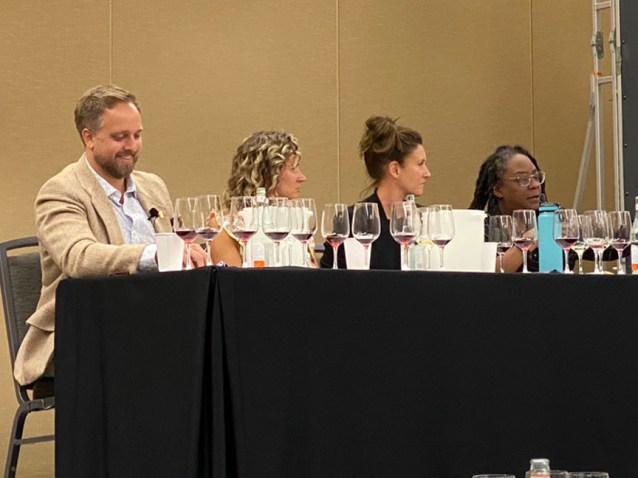
 One of the most compelling moments of this year’s TexSom (the popular annual gathering of wine professionals in Irving, Texas near Dallas) was when speaker Julie Dalton (below, third from left) broke into tears while describing her gratitude for what she has achieved in her career.
Gratitude, she pointed out later during the session, is an emotion that wine professionals should embrace.
The theme discussed by her and her fellow panelists (below from left, Brandon Kerne, Stevie Stacionis, and Zwann Grays, far right) was “What’s a ‘Sommelier Wine’?”
The conversation began with a tasting of wines that have become popular in U.S. wine culture thanks to sommeliers’ advocacy.
Muscadet was a perfect example of this. Many wine professionals will remember the period around 2007-08 when Muscadet, with its mineral flavors and food-friendly acidity, became a favorite of top wine directors across the country. Stevie pointed out that it was also a white wine that those young professionals could afford as French and Californian whites became more and more expensive during the first decade of this century.
 But the dialog veered swiftly into a lively debate over who can rightly call themselves a “sommelier” and what the title truly means.
At the end of the session, a long-time attendee raised his hand and was greeted with robust applause when he said that “this is the best seminar I’ve ever attended” at the gathering.
Since its inception in 2005, the conference has gone through some well-documented ups and downs. As it rebuilds itself in the wake of the Covid-era closures, its new cast of characters is as diverse and talented as the community it represents.
In the introduction to the two seminars I sat in on, the presenter reminded attendees that they should report any misconduct. They simply had to speak to a volunteer or could also use an anonymous online platform. The conference’s new code of conduct was shared with attendees when they registered.
It had been many years since I attended the conference (I was there to pour and talk about Abruzzo wines). I was genuinely blown away by the overall vibe of camaraderie and solidarity. It was wonderful to reconnect with so many colleagues from across the country and the state. And it felt like TexSom is fulfilling its mission to a greater degree than ever before: creating community, bolstering wine education, and supporting wine professionals along their journey, no matter what that path may be.
I cannot sing the praises of conference co-founder and director James Tidwell loudly enough. He has done a truly superb job of shepherding this extraordinary resource over the years and bringing it in line with the times.
Chapeau bas, James! Thank you for a great experience!
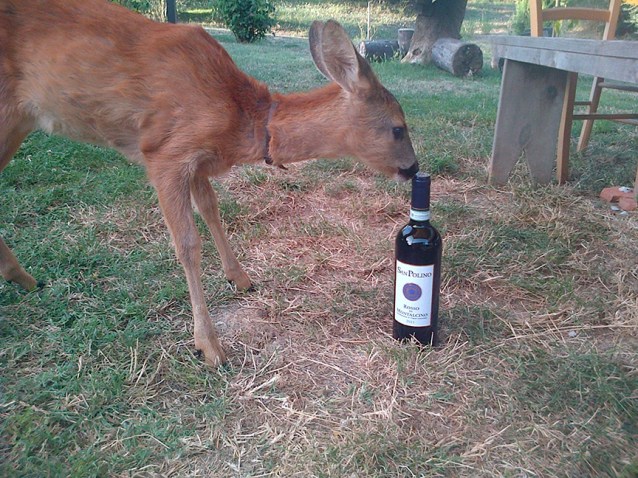 There’s a lot more to that deer in the photo than meets the eye.
 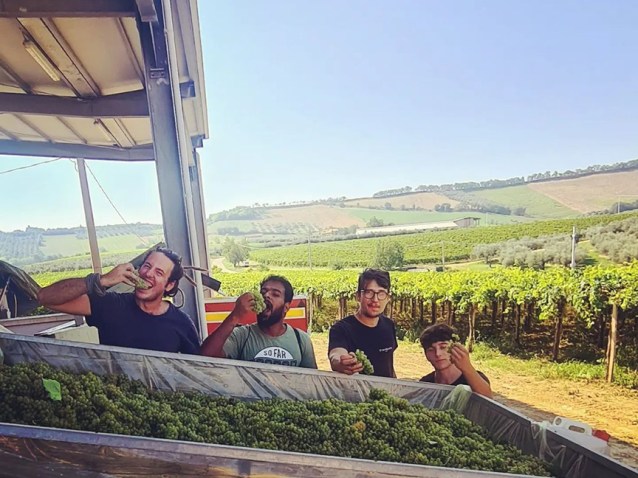 Above: my friend Guerino Pescara, vineyard manager for Ciavolich in Loreto Aprutino (Abruzzo), shared the above photo this week.
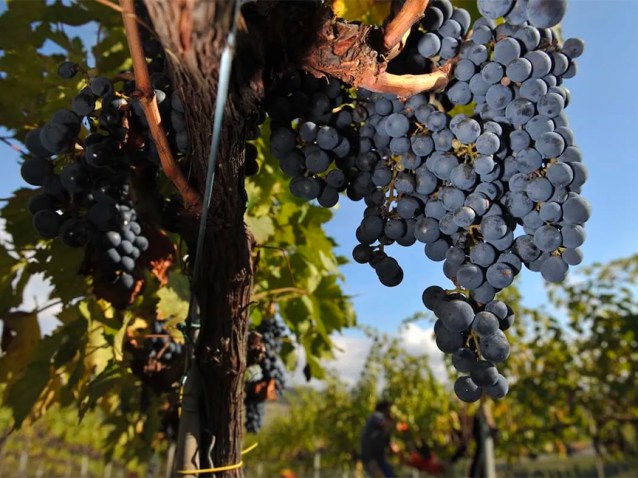 Tintilia for sparkling wine at Claudio Cipressi in Molise, photo by my fellow writer Matteo Borré.
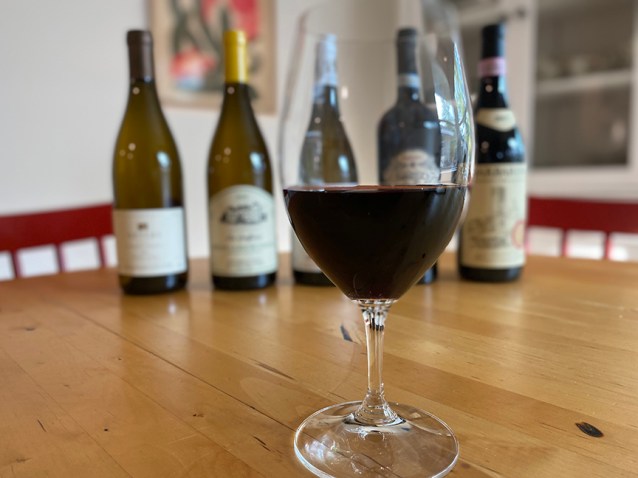 As fall plans and events come into focus, a number of my private tasting clients have been asking me how many glasses should we have at the tasting?
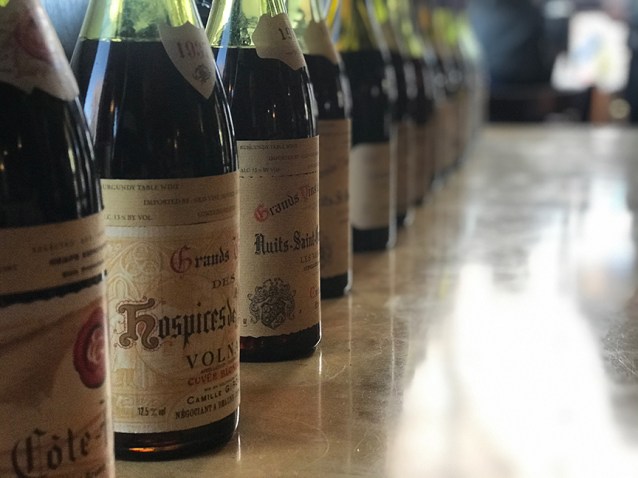 Wow, it’s going to be a busy fall.
  “How weird it is to have a sibling.” That’s what the writer said the other day. “There is this person that is the closest thing to you that you can get. But is not you. How heartbreaking that is. And how close and far away you can feel.”*
 The first I heard of it, it was February 2023,
 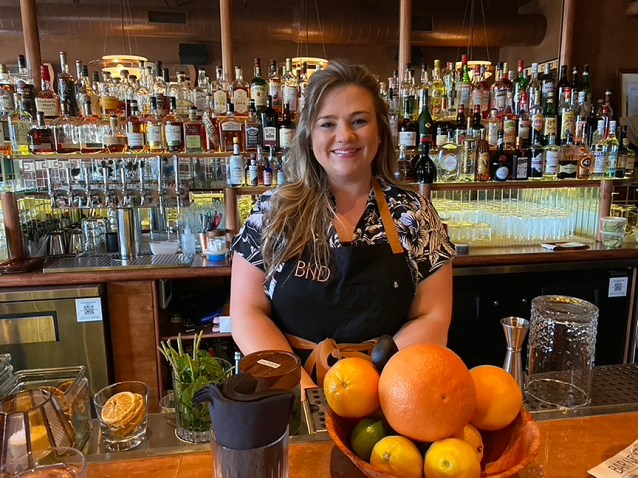 Man, what a trip it was to roll up to my friend’s new bar on the Sunset Strip in LA!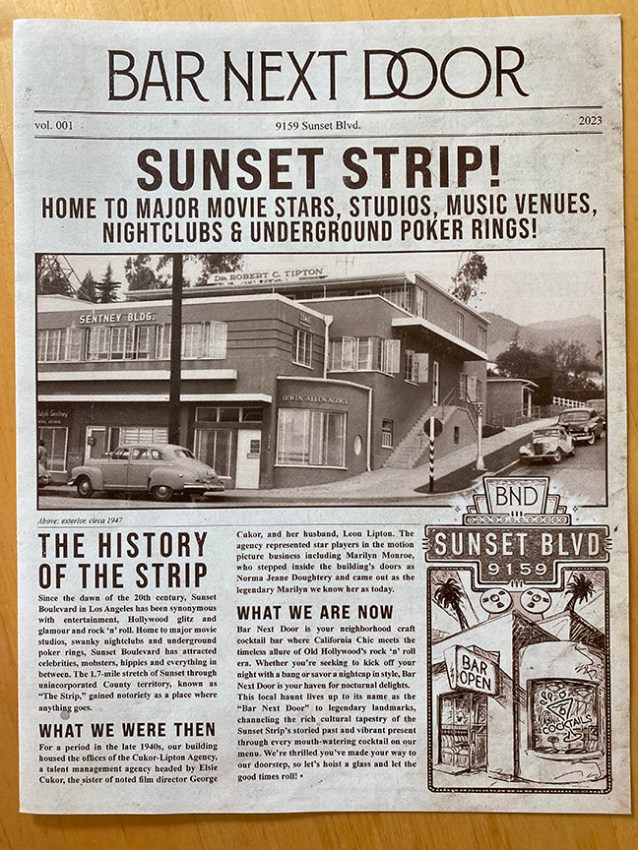
 What’s on this pizza? I’m not sure I even know.
 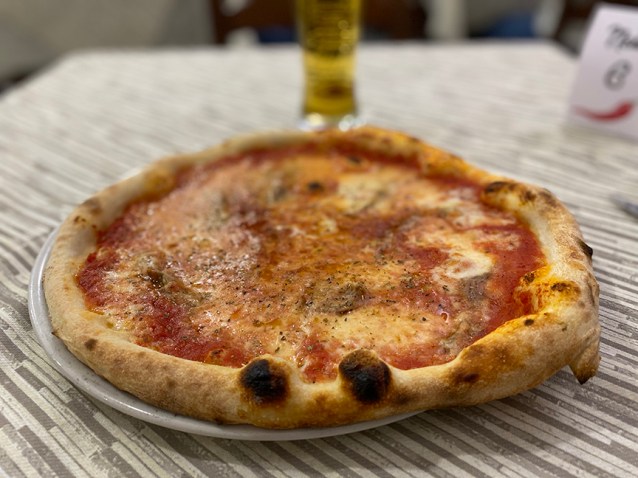 Take, for example, the photo immediately above.
  Now look at this pizza (immediately above). It’s a “napoli” but the ingredients have been added only after (notice how they aren’t incorporated into the mozzarella and they). The mozzarella was also added after it was fired.
 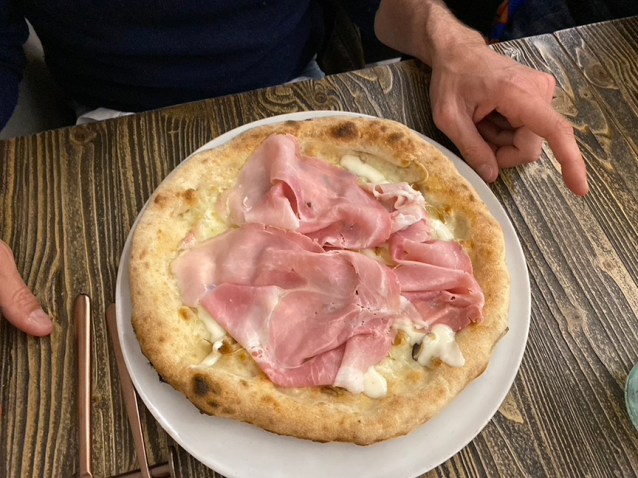 Notice how the prosciutto cotto (literally, cooked ham) was added only after the pie had been cooked through.
  Traveling across small-town country in the U.S. is always a reminder that an overwhelming number of Americans care little about fine wine.
 But we did find a compelling if modest wine program at
  Do Bianchi