
This obituary appeared originally on the Taste of Italy trade fair and festival website. The gathering, the largest devoted exclusively to Italian wine and food products, will take place in Houston on March 14. Please visit the site for details.
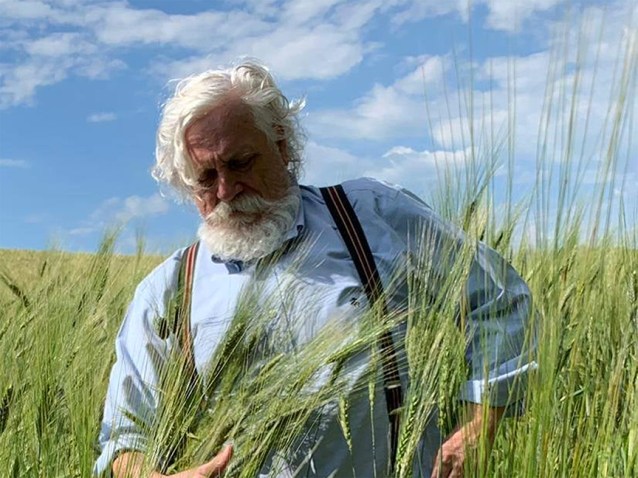 Fabio Picchi, whose legendary restaurant Cibreo in Florence reshaped the way the world viewed Tuscan cuisine, died last week. According to La Nazione, he was 68 and had been battling a long-term illness.
Named after the classic Tuscan dish cibreo — a sauce made with chicken combs, wattles, and livers — the restaurant has been a gathering place for the Italian and international glitterati since its opening in 1979. The celebrities, intellectuals, and culinary luminaries came as much for the food as the verve and artistry of the larger-than-life chef, author of numerous cookbooks and even a historical novel.
Picchi’s passion for theater would lead him to open the Circolo Teatro del Sale, the “Theater of Salt” dining club in Florence in 2003. Since that time, the venue has combined theater, high-concept cafeteria dining, and retail sales of chilometro zero (“zero kilometer” or farm-to-table) food products, a category that Picchi championed throughout his career.
He was part of the new wave of the enlightened culinary icons who emerged in the late 1970s and early 80s. But he always stood apart from the crowded field of “back to the land” chefs thanks to his artistic flair and literary leanings.
Beyond his revitalization of cibreo, a recipe with noble origins that had been relegated to the dust bin of forgotten rustic recipes, his notable dishes included panzanella croccante (a crunchy version of the typically pliable Tuscan classic) and myriad iterations of baccalà (salt cod).
Many American food lovers will remember his appearance last year in a video from Stanley Tucci’s “Searching for Italy” food and travel documentary on CNN. In this short clip, Picchi explains how the quality of the sea salt is key to a great bistecca fiorentina and he reveals that he adds olive branches and leaves to the coals to give the beef greater flavor.
Picchi was active on his Facebook until just a few weeks ago, garnering thousands of likes with each post. His passing has deeply saddened the local and international communities of Italian food lovers.
His son Giulio will continue to run his celebrated restaurant, write the editors of La Nazione.
Image via the Fabio Picchi public figure Facebook page.
*****
In 2005, a friend’s Florentine brother-in-law took me for the first time to the Teatro del Sale. I had eaten at Cibreo on more than one occasion and I loved it for the food, for the richly cultural and thoughtful presentation of the dishes, and for the countless Italian and international celebrities you would spot there. But the Teatro was on another level in terms of its combination of classic Italian folk and political theater with a dining program that evoked the workers’ cafeterias of the inter-war era. I never met Picchi but did glimpse him once during one of my many visits to the Teatro, one of my happiest places where I always found a drinking buddy to share the chef’s wonderful box wine. Italy and the world have lost a culinary icon.
 I couldn’t be more thrilled to welcome Cinzia Merli (above, center), the owner of Le Macchiole in Bolgheri for this week’s virtual winemaker dinner at Roma restaurant in Houston where I run the wine program.
 Above:
  Above: the winners of the Houston Sommelier Competition in 2019, the first and only year of the event to date. At the time, it was known as the Houston Awesomm Sommelier Competition and was only open to Houston-based wine professionals. It’s now open to anyone who would like to compete (except for full-fledged members of the Court of Sommeliers).
 A guy walks into a bottega in Oakland and says: “Is the owner from Piedmont?”
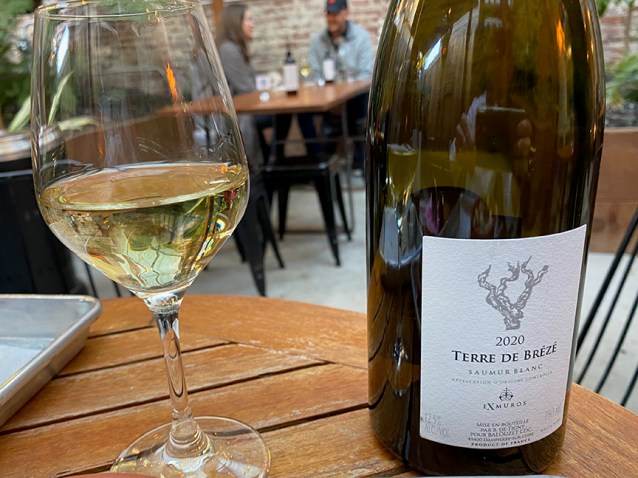 A guy walks into a wine bar in San Francisco and says: “Do you have anything white and oxidative?”
 Early evening found me at Che Fico Alimentari, the downstairs join at the recently reopened
 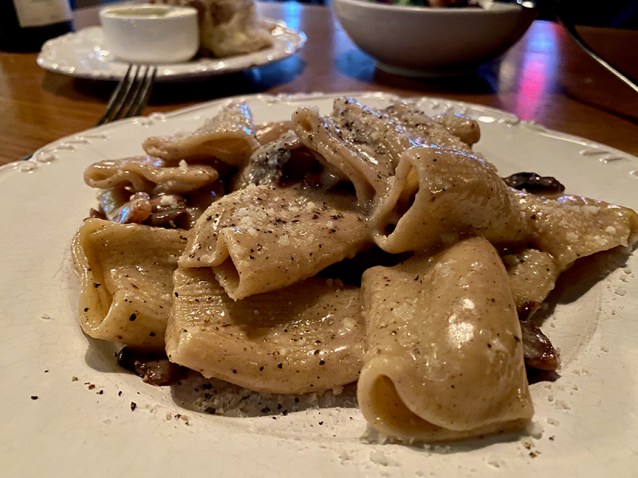 The housemade rigatoni alla gricia were a showstopper. Of the Roman pasta tetralogy — carbonara, cacio e pepe, amatriciana, and gricia — I believe the latter doesn’t always get the attention it deserves. This dish really hit on all cylinders.
 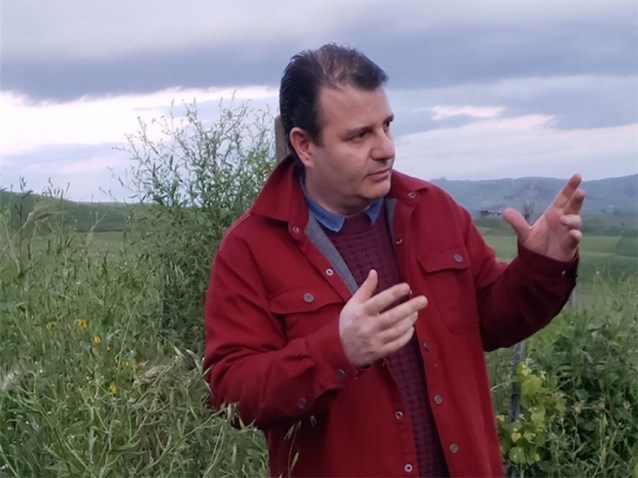 Above: grower and winemaker Fabio Sireci of Feudo Montoni in Sicily. Read
  Chance Kenda, age 34, a driver for Houston-based wine importer Dionysus, “was shot in the abdomen” yesterday afternoon “following a road rage incident,” according to
  Above: Dal Zovo, a legacy wine shop in Verona (image via
  Blame it on the Nebbiolo.
  Above, right: Gianni Maccari, winemaker and grower at Ridolfi in Montalcino, with his vineyard management team.
 Do Bianchi