
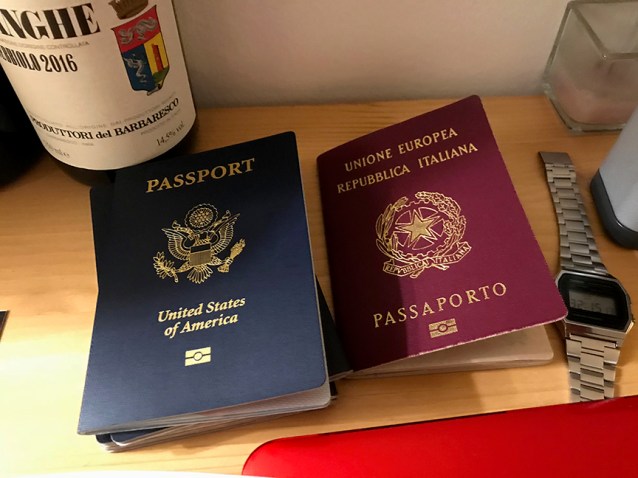
 Happy new year, everyone!
Here are some of the trends in Italian wine that I’ll be following in 2019.
It’s incredible to think that more than 20 years have passed since the first major all-Italian wine lists were launched in New York in the late 1990s. Two decades after the advent of the Italian wine renaissance here, the category is stronger than ever. But the 2019 vintage will be a challenging one for Italian winemakers and grape growers.
Italian trade members here in America should also check out this awesome and extremely useful Intravino post with a calendar of top wine events planned in Italy this year.
May your 2019 be filled with happiness, health, and prosperity — and great Italian wine!
Thanks for being here in 2018…
 5. Italian winemakers, both large- and small-scale, will face expanding difficulties in getting their wines to the U.S. market.
As one of America’s most important Italian wine importers pointed out in a seminar I attended this year, the Italian wine market is more saturated than ever but the channels of distribution are becoming more and more narrow. Twenty years after the Italian wine revolution began in New York thanks to a handful of visionary importers and restaurateurs, the competition for marketshare in the U.S. is fiercer than ever. But only a handful of the historic Italian wine importers, including those who helped shape the Italian wine renaissance, remain. Importing and distribution channels will become increasingly parcelized.
4. Political, social, and economic volatility will affect consumer choices.
Regardless of ideological affiliation, consumer confidence has already been shaken by the recent market swings and the political uncertainty that 2019 holds. Consumers are seriously asking themselves whether or not we are on the precipice of a recession or financial crisis. Producers are wondering how Brexit and the American trade wars will impact their sales and sales channels. This could actually help to bolster Italian sales since Italy represents some of the best value in fine wine in the market today.
3. So-called populist and illiberal democratic tendencies will begin to emerge from the fringe of Italian wine.
Many don’t realize that Italy’s (and Europe’s) terroirist and populist movements are closely aligned in certain corners of the industry, even among those considered to be (quote-unquote) progressive by English-speaking Italian wine lovers. Americans might be surprised by how European farmers are becoming more and more emboldened and vocal about their stands on immigration and national identity. As it has in the past, social media will amplify their attitudes. With the rise of populism and nationalism in the U.S., American consumers are also becoming more tolerant of intolerance among Italian winemakers.
2. Natural wine is here to stay (whether you like it or not).
Recently overheard in a hipster wine bar in Houston, spoken by a well-dressed 30-something professional who clearly did not work in the wine business: “Do you have anything really funky by the glass? I mean, really natural?” Natural wine is now part of the mainstream wine parlance and lexicon. From my 85-year-old mother who wants natural wine from Sicily (because she believes, however erroneously, that it won’t give her a headache) to the millennial consumer who’s beginning to have the spending power to afford it, natural wine has become as prevalent a category as Merlot or Pinot Grigio — despite the fact that an agreed-on definition of natural wine continues to elude us.
1. Newly imposed EU limits on copper sulphate will have a major impact on organic wine growing.
Beyond this excellent piece on Wine Spectator, the mainstream wine media hasn’t devoted much coverage to the EU’s newly imposed limits on copper. But this is going to be a highly contentious topic among conventional and organic growers next year. The heart and soul of organic and biodyanmic farming is at stake and Italy is the biggest stakeholder. The issue is compounded by the fact that rainfall patterns in recent vegetative cycles have forced organic growers to increase their copper spraying to combat peronospera. See my thread on the copper debate, including my post on the newly imposed restrictions.
 In early December, I had the remarkable opportunity to sit down with Giancarlo Moretti Polegato (above), CEO and legacy owner of his family’s Villa Sandi estate in Valdobbiadene, one of Prosecco’s greatest pioneers and one of its enduring cultural icons.
 Above: Biodiversity Friend certification reflects the growers commitment to sustainable vineyard and winery practices.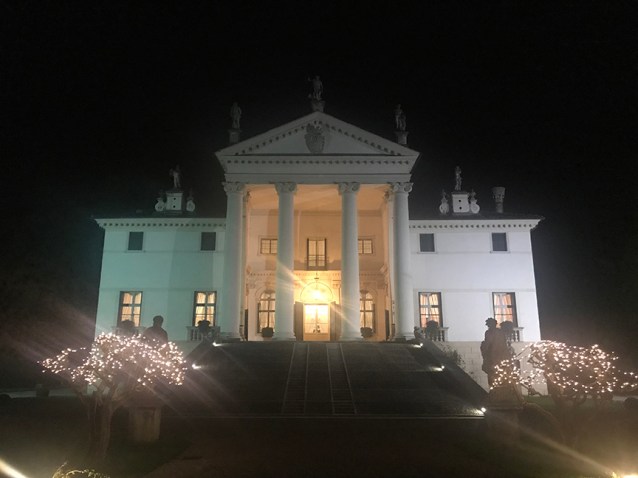
 A trip to the land of Prosecco in early December was an opportunity to taste at a couple of my favorite houses.
  It was such a thrill for me to get to taste with Francesco Drusian, a legacy producer and appellation pioneer. His insights into the evolution of Prosecco and its extraordinary arc — literally from rags to riches — were fascinating to hear.
  The Ruggeri Vecchie Viti was another highlight.
  One of the biggest thrills of my year in wine was my first taste of the newly released 2015 Produttori del Barbaresco (classic) Barbaresco with one of Barbaresco’s coolest homeboys, Luca Cravanzola.
 People who work in the wine business get asked the same question by laypeople all the time: what’s your favorite wine?
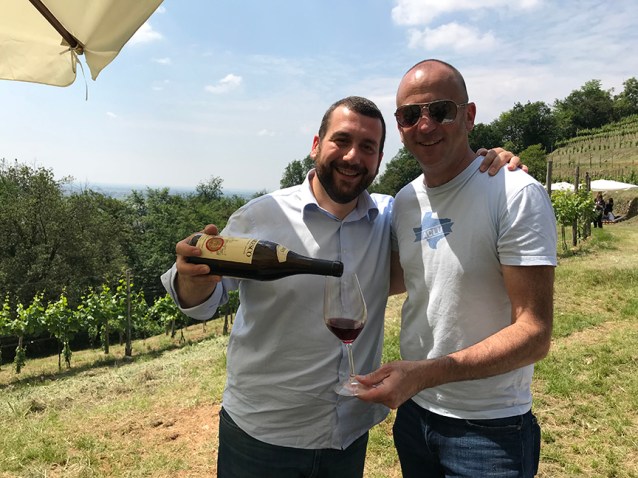
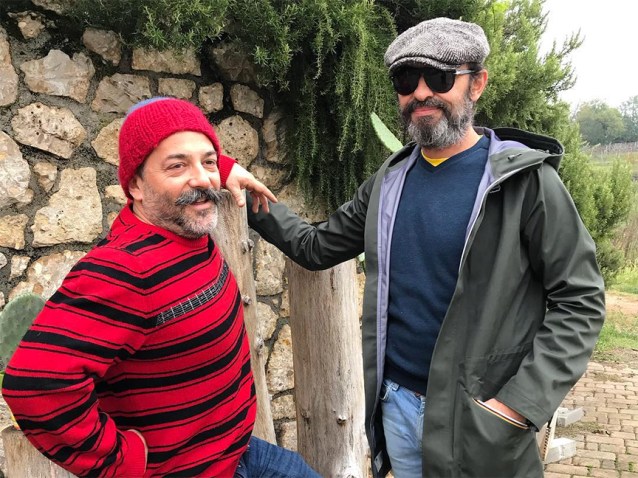 Above, from left: Nico Danesi and Giovanni Arcari are among my best friends in the world and they produce one of my favorite expressions of Franciacorta (image via
  Last week the European Union drastically reduced the amount of copper that grape farmers can use each year in their vineyards.
 Whenever people ask for recommendations on where to eat in Bologna, my answer is always the same: there’s great food in Bologna but the best expressions of true Emilia cuisine are found in the countryside.
  One of my best friends and clients, Paolo Cantele, and I had carved out time for a “working dinner,” so to speak. And he suggested we go there.
 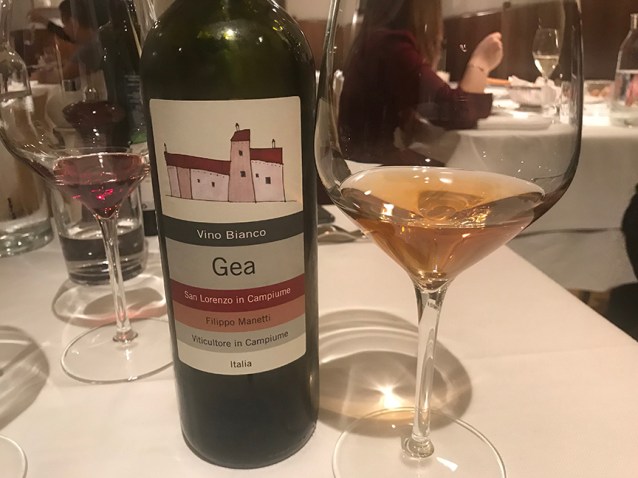 But the thing that really took it over the top for me personally was the wine list.
  And of course, no evening in Bologna is complete without a stroll sotto i portici, a walk under the porticoes, one of the city’s defining architectonic features.
 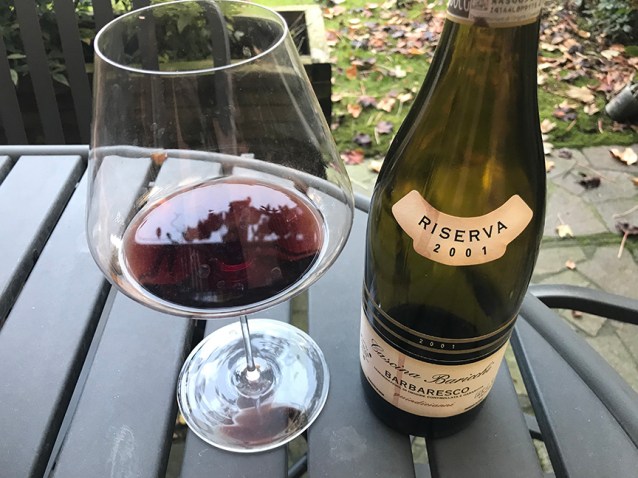 The mosaic of Italian wine is never-ending.
 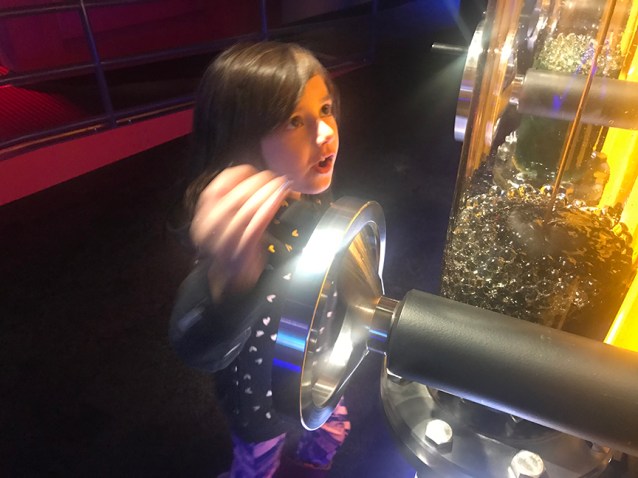 Happy birthday sweet, sweet Georgia! You are seven years old today!
  And sweet, sweet Georgia Ann, you love your family.
 Do Bianchi