
 The Passover. The very name of the holiday implies movement.
The text it comes from, the Book of Exodus, tells the story of Hebrew refugees who migrate from Egypt to Israel as they flee persecution and bondage.
It’s a powerful narrative remembered and celebrated by Jews every year across the world. Even for secular Jews like me, the holiday and the retelling of the story have deep meaning.
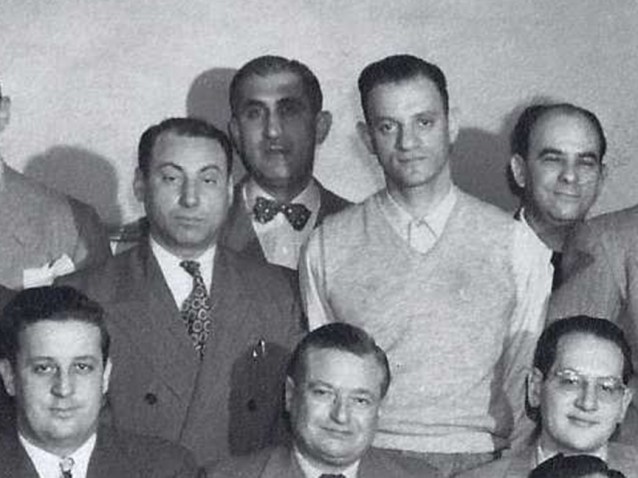
That’s my maternal grandfather Maurice “Poppa” Bailie above (center left, with tie) with my great-uncle Ted Eder (center right, without tie). Both were children of immigrants who fled economic and religious persecution in Europe in the early 20th century.
When he arrived in this country, my Poppa and his family were seen as undesirables and potentially dangerous: impoverished Jews from countries where Bolshevism and Zionism were on the rise, unwanted immigrants who would take jobs away from Americans. After landing in New York at Ellis Island, they were shipped off to the midwest by the Hebrew Immigrant Aid Society.
In South Bend, Indiana, my great-grandparents scrimped and saved up to buy a small grocery store. When they ultimately achieved financial security, their children flourished and thrived. It’s a story not dissimilar from that told in Barry Levinson’s 1990 film “Avalon” (my paternal grandmother owned a “Radio-Television Mart” like the one owned by the characters in the movie). They went to college, they opened businesses, they saved money and speculated on the stock market.
They were the children of refugees. And my parents were the grandchildren of refugees. And I am the great-grandchild of refugees. And our children are the great-great-grandchildren of refugees.
In every Passover Seder (the symbolic meal and narrative that retell the story of the Passover), the Seder leader encourages the guests to see themselves as active participants in the story with the following exhortation: “in each generation, each person is obligated to see himself or herself as though he or she personally came forth from Egypt.”
The Seder’s invitation to the guests “to break the fourth wall” (and become themselves characters in the narrative) is based on a passage from Leviticus (19:33-34):
- And the Lord spoke to Moses, saying…
- When a stranger sojourns with you in your land, you shall not taunt him.
- The stranger who sojourns with you shall be as a native from among you, and you shall love him as yourself; for you were strangers in the land of Egypt. I am the Lord, your G-d.
Click here for Christian Bible versions of the same passage.
Our children are still too young to wrap their minds around its meaning. But as he leads the Seder tomorrow night, my older brother will remind them that they, too, were personally delivered from Egypt and from persecution by G-d. And every year, I’ll tell them the story again and again and again… until they can tell the story themselves.
Chag sameach, everyone! Happy Passover and happy Easter!
 When I finally got home to sit down to dinner with Tracie last night around half past eight, it felt like I had traveled around the (wine) world and back.
 By late afternoon, I was seated with one of the coolest people in the Italian wine world today, Tony Apostolakos, U.S. sales director for Masi in Valpolicella.
 “Italian immigrants made sure Barbera had a home in California,” wrote José Vouillamoz in Wine Grapes (Ecco 2012).
 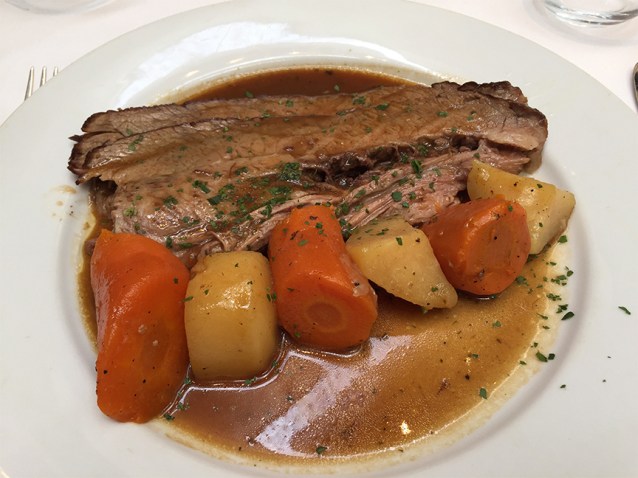 It’s that time of year again when people begin wondering and asking about wine pairings for Easter and Passover.
  Similarly, my wife’s family served and drank sweet wines (when/if they opened wine) at holiday meals. Sweet wine is still very popular in Texas and across the south. And so when we share holiday meal on the Louisiana border where my wife Tracie grew up, I always bring along some German Riesling and the occasional Quarts de Chaume.
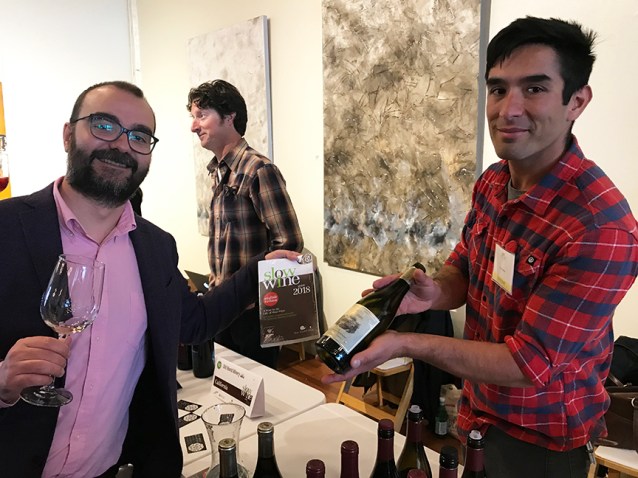
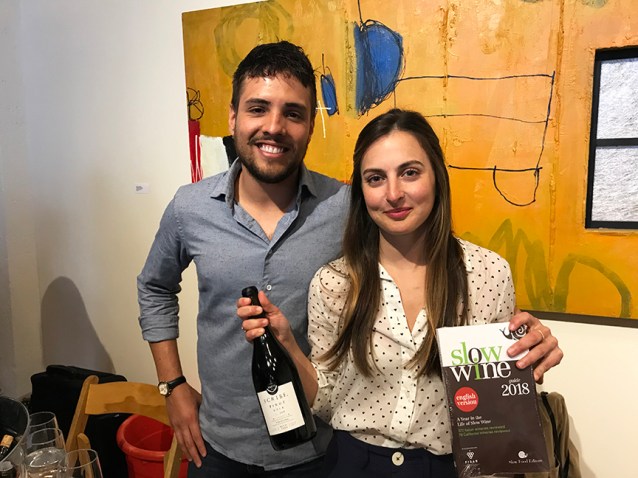 Above: Kelly Mariani (right), whose family owns Scribe in Sonoma, and Antonio Balassone, who works with the winery as well. They were among the estates presenting their wines in San Francisco at the Slow Wine Guide tasting. Both are grads of the Slow Food University of Gastronomic Sciences in Piedmont.
 Above: Slow Wine editor-in-chief Giancarlo Gariglio (left) and Littorai’s associate winemaker Dan Estrin at the San Francisco event. What stunning wines!
 Tracie and I both really enjoyed this Vermentino (above) from Troon Vineyard in Oregon.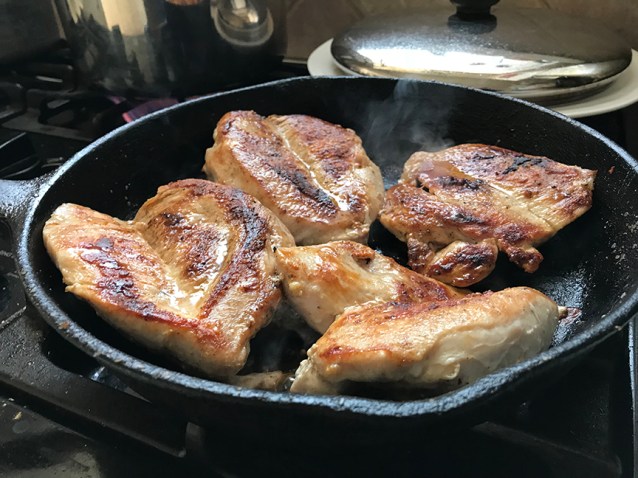
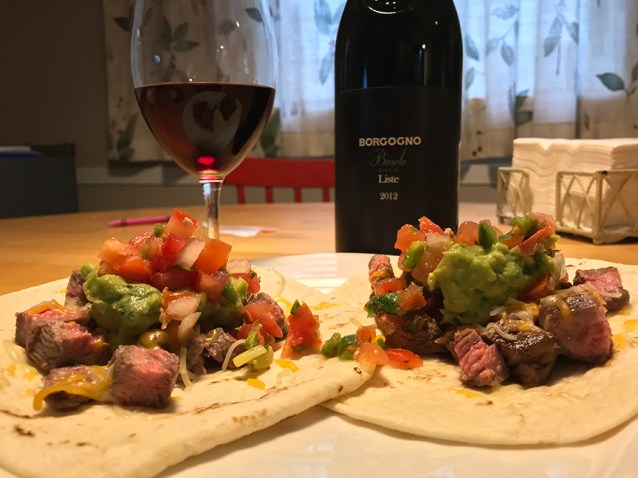 Single-vineyard designate Barolo and steak tacos piled high with spicy guacamole and pico de gallo…
 The world of Italian wine moves so fast these days that we often forget that the mosaic of Italy’s vinous treasure is as endless as it is wondrous.
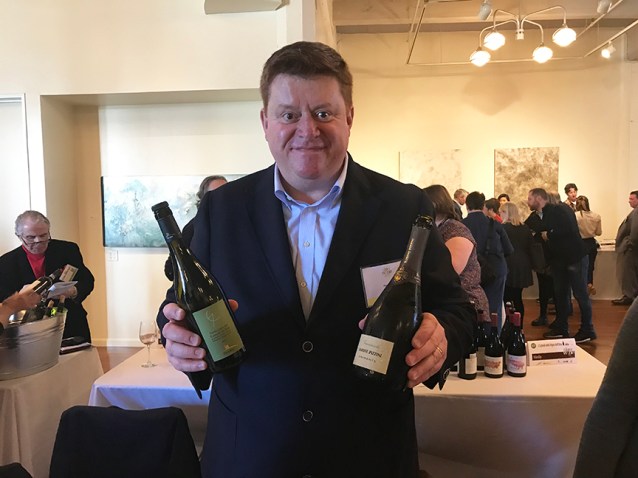 Another highlight for me at the tasting last week was Pievalta’s 2012 Verdicchio dei Castelli di Jesi Riserva San Paolo. I used to do some writing for the Barone Pizzini group, which includes the Pievalta estate. That’s BP COO Silvano Brescianini in the photo above. I’ve followed the wines since the earliest vintages and I really believe this year’s release and next year’s, from the 2013 harvest, are really going to put the little-biodynamic-estate-that-could on the map for good. Great wines.
  Speaking of the 2013 harvest, I was also stoked to taste the new release of G.D. Vajra’s Barolo Bricco delle Viole. What a vintage for this wine!
 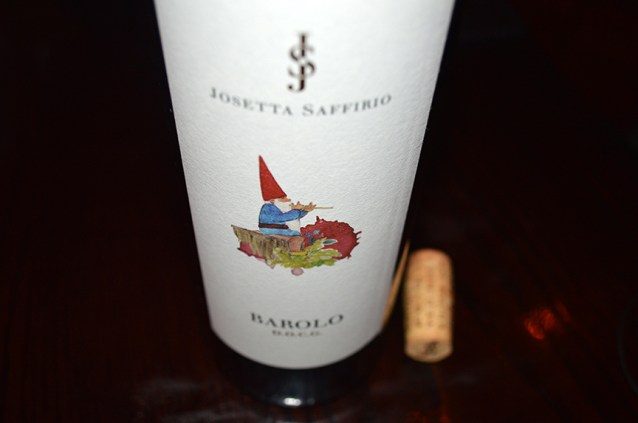 Lunchtime at a bustling Houston-area Tex-Mex restaurant isn’t exactly the ideal place to taste Barolo.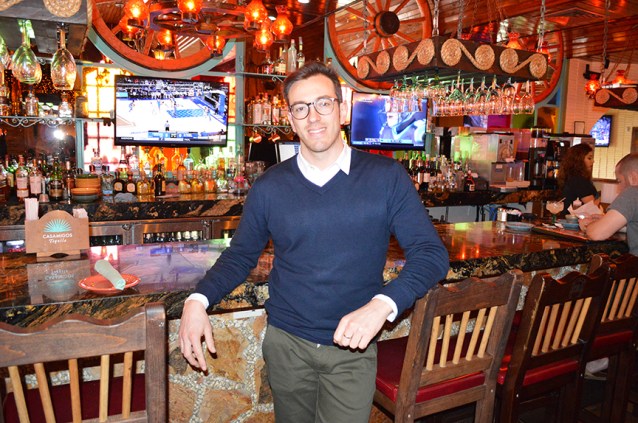
 Do Bianchi