Thank you to everyone who gave to our GoFundMe campaign to raise an MLK billboard over the Neo-Confederate memorial in Orange, Texas in time for MLK Day (January 15) and Black History Month (February). We have reached our $2k goal! Thank you for your support and solidarity!
 One of the biggest surprises of my 2023 was how the NYC cityscape has changed since the closures of 2020.
Today, there are whole stretches of Broadway in the 20s where there are now trendy shops, cafés, and restaurants in an area previously reserved for schmatta and toy wholesalers.
And the Upper Westside, once a fine dining wasteland, now bubbles over with hipster concepts with al fresco seating.
It should have come as no surprise when my colleagues proposed a dinner at the amazing Lucciola on Amsterdam and 90th (three blocks from where I used to live back in the day).
I was blown away by Chef Michele Massari’s cooking. His work embodies the seemingly oxymoronic but overarching ethos of the greatest Italian cuisine: for it to be classic, it must be creative.
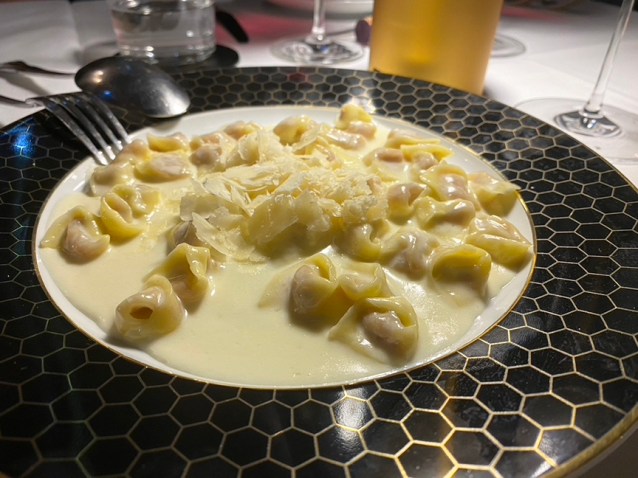
The tortellini in the photo above were a study in the many gradations of texture in Parmigiano Reggiano when handled by an expert like Chef Michele. But that was one of the more conservative dishes that evening.
Don’t miss the “AAA pinsa,” a savory flatbread topped with blue fin tuna bottarga, red tuna belly, Cetara anchovies, and caviar. It’s one of the restaurant’s signature dishes and it’s incredible.
Also memorable was this tuna, shrimp, and caviar appetizer, below, which I believe was a special.
I’m nonplussed as to why this restaurant isn’t on more people’s radar. I got the impression that Chef Massari and his team are doing such brisk business that they don’t invest much effort in media. In Italy, he’s already a superstar.
It’s not a cheap date but worth every penny. Fantastic Italian-focused wine list as well, with a compact but unforgettable Champagne offering.
My recommendation: run don’t walk!

 As my buddy Doug and I enjoyed one of the best meals of my 2023 at Chambers in lower Manhattan back in May 2023, I couldn’t help but be reminded of what Susan Sontag once wrote of the 20th-century critical theorist and activist
  As at least one critic has written, Sontag “yearned to be identical to her ideas, to display the punishing consistency of Weil, but her ideas jostled and sparked, exploding her sense of what she was, or wanted to be.”
 If there were one person in the wine trade who has made a career of being identical to her ideas, it must be
  Over the course of a career where she has created an entirely new and profoundly impactful role in the world of wine, she is at once a sommelier and activist, a restaurateur and a philosopher. But she hasn’t achieved this through high-browed essays, articles, books, or speeches. No, she has accomplished this feat through her sheer indomitable will to be identical to her ideas.
 I could feel it in the way that the servers interacted with our party.
 As 2023 comes to an end, Tracie, the girls, and I have so much to be thankful for.
 One of the things that a lot of folk don’t know about the
 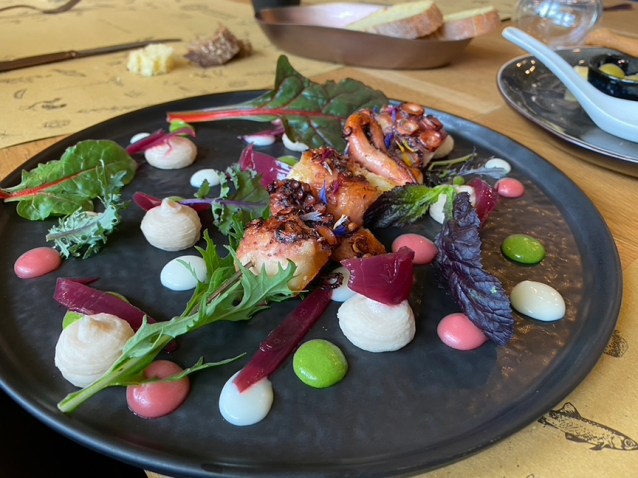 Over the years, I’ve enjoyed many unforgettable lunches and dinners there. And the to-go gourmet deli counter is extraordinary.
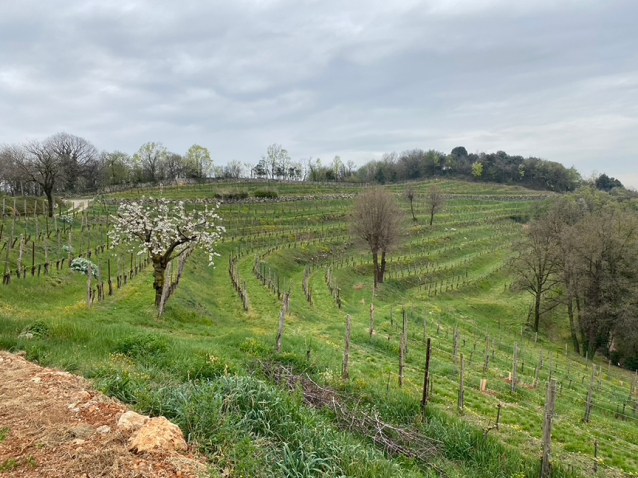 Of course, no lunch at the Dispensa is complete without a post-meal visit to nearby Mt. Orfano and my friends’ winery Arcari + Danesi.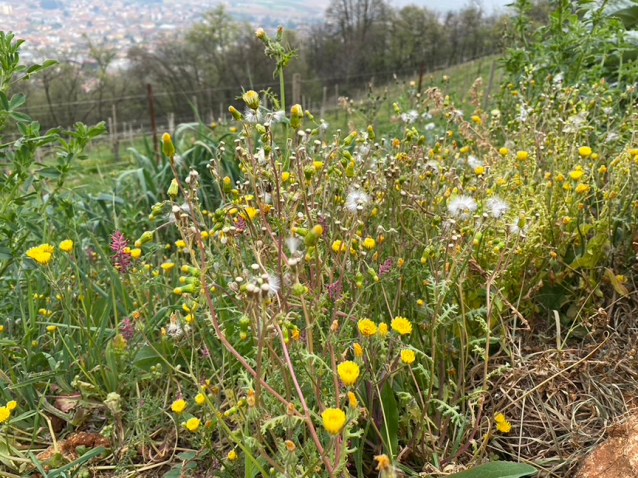
 Fritos, chili con carne, Velveeta, freshly chopped white onions, and pickled jalapeños… It’s a recipe for a big bowl of wrong. And I loved every bite.
 There are restaurants where you go for good food, drink, and ambiance.
 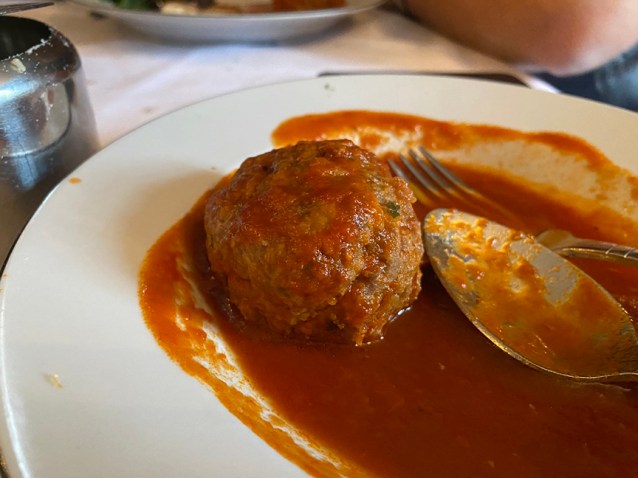 In February of this year, I had the great fortune of visiting my longtime friend Anthony Cerbone (in the first image) with a group of top wine professionals.
 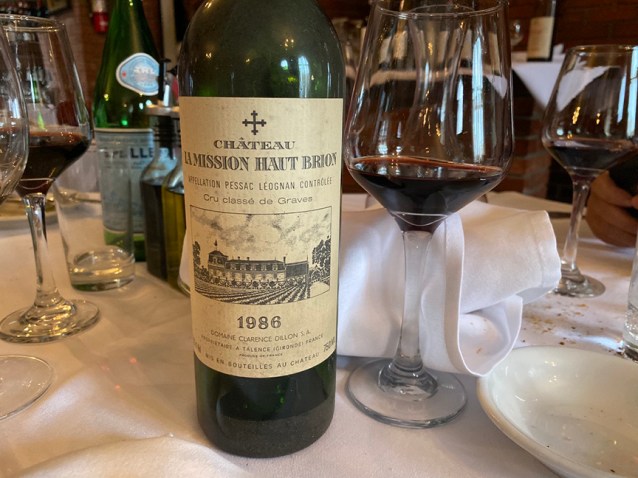 At the same meal, we also opened a 1969 Taurasi by Mastroberardino. It was a bit oxidized so we drank it as an aperitif.
 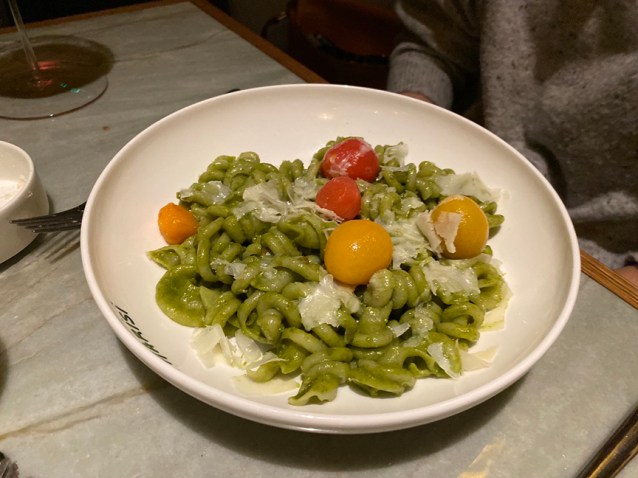 Beyond fish tacos and one of my all-time favorite boat-to-table seafood joints, La Jolla, the town where I grew up, is not exactly known as a progressive or creative dining destination.
 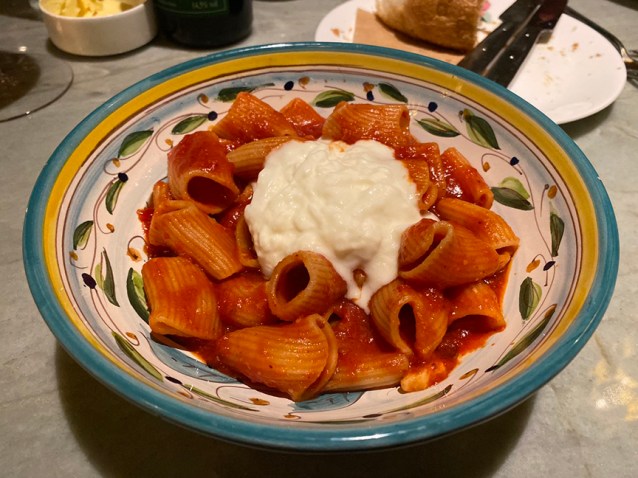 Marisi was our family’s first fancy meal of the year. And both Tracie and I loved the traditionally inspired but creatively driven menu.
 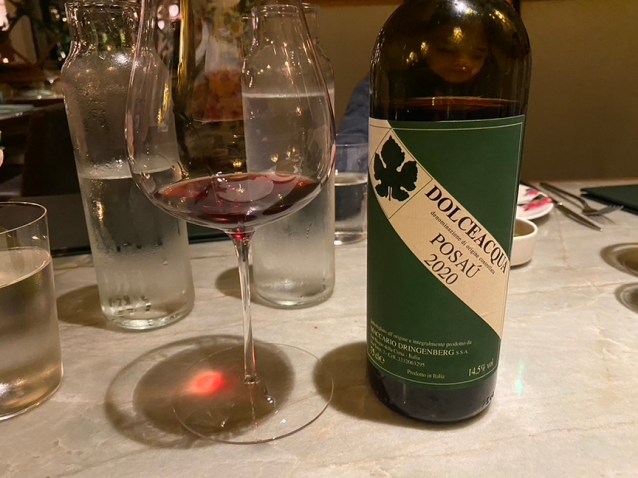 But it’s the wine list by Chris Plaia that really takes it over the top. I remember when he was first working on his program, he told me that he wanted to bring natural wine to La Jolla. And he did, making him the first wine director to preside over such an ambitious program for the “beach and tennis” Tom Collins/Gin and Tonic crowd.
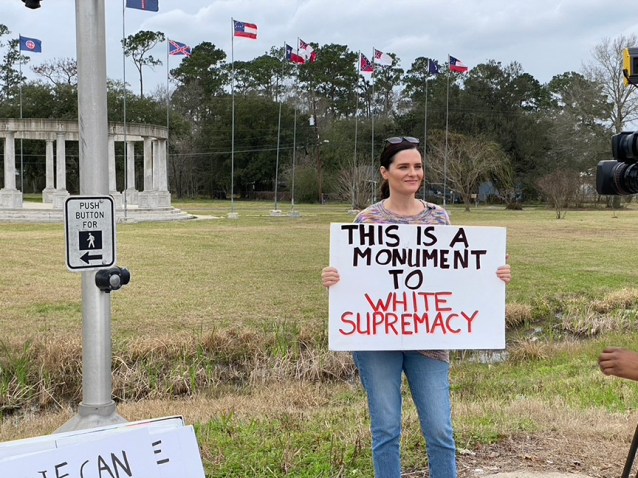 Tracie and I have been organizing protests of the
 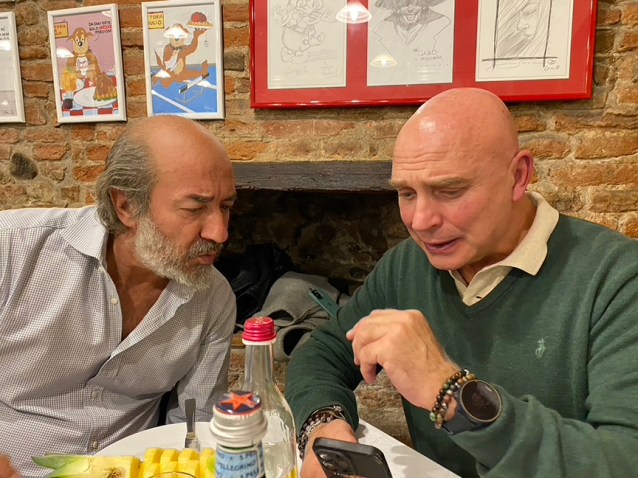 Luca D’Attoma is a dude whose philosophy and ethos pervade every element of his lifestyle, from the beer he drinks in a tavern to the high-fidelity audio that resonates through his tasting room and atelier outside Lucca.
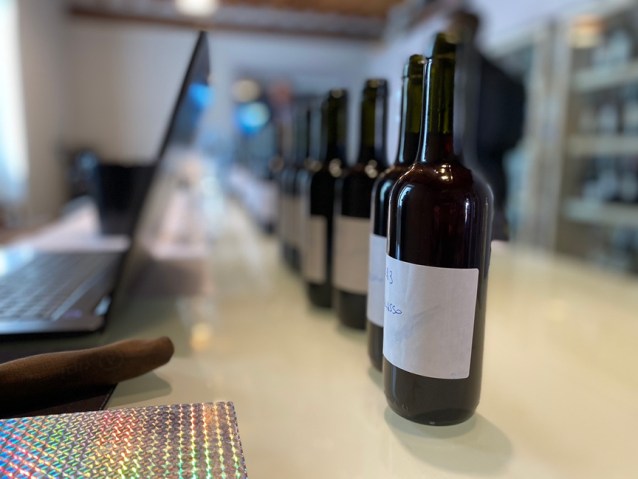 After I finished my recent week of teaching at Slow Food U, I headed south to the gorgeous town of Lucca where Michele, his righthand person Paolo Tondat, and I had dinner at a classic Tuscan osteria (above).
 I’ve been so fortunate throughout my career to taste with some of the greatest Italian winemakers of our times. It gives you an insight into how to taste and what to look for in the wines. After all, no palates are more finely attuned than theirs.
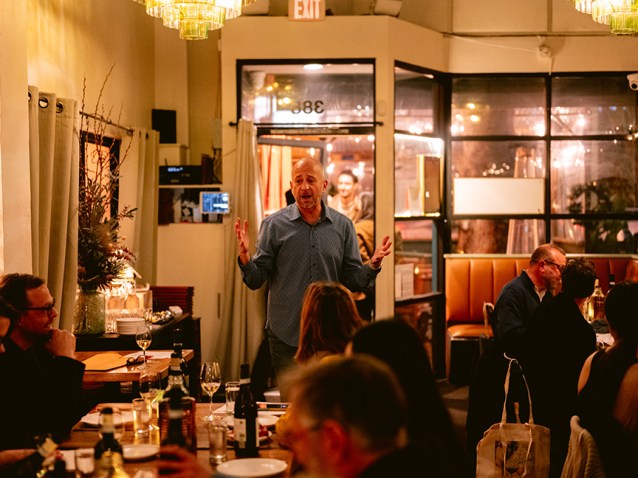 Super special thanks to the entire team @mamaoakland for an incredible evening and a fantastic menu last night for our packed @vinidabruzzo dinner! And warm thanks to the wine professionals who took time out for an industry night at one of Oakland’s most Italian wine-friendly and fun destinations. Lastly, a heartfelt thanks to @steviestacionis who didn’t think I was crazy when I proposed the event for a Monday in December. Apologies to all the folks we couldn’t fit in. I feel so blessed to be part of the international community of wine people. Thanks to everyone who made it possible. It was my last event of 2023! It couldn’t have been sweeter. Now time to get my butt back on a plane to Houston. Oakland, I love you.
  Do Bianchi