Click here to donate now to our campaign to raise an MLK billboard over the Neo-Confederate monument in Orange, Texas.
 Tracie and I have been organizing protests of the Neo-Confederate monument in Orange, Texas, where she grew up, for nearly seven years now.
As we have done each year since we began, we will be raising an MLK billboard across the road from the site, which includes numerous Confederate flags. The billboard will be in place throughout January, the month of MLK’s birth, and February, Black History Month.
It will stand over the eyesore of a monument, completed in 2017, on MLK Day (January 15) when we will celebrate the legacy of Dr. King as we voice our opposition to this monument to white supremacy (please join us; details forthcoming).
But this year’s protest will be different: since our last demonstration at the site in 2023, the Sons of Confederate Veterans, the pseudo-Ku Klux Klan group that owns and manages this obscenity, HAVE RAISED THE FLAGPOLES SO THAT THEY ARE NOW VISIBLE FROM INTERSTATE 10.
The Sons (of bitches) were stymied by the City of Orange who passed a law setting the maximum height of flag displays on private property. And for the early years since the site’s completion, they couldn’t be seen from the freeway where more than 55k cars pass by daily.
But they have now raised them (the city’s office confirmed that they are still within the allowed height).
For those unfamiliar with the geography of Southeast Texas, the City of Orange is the first town on the Texas side of the border with Louisiana. It’s the gateway to Texas from the east. And for those traveling west, it’s the first thing that you notice as you enter the state.
This original rendering of the site shows the designers’ intentions (warning: contains offensive graphic material).
Texans, this is your fight, too. Don’t let the Memorial of the [Breaking] Wind be the welcome mat for our state!
Click here to donate now. Thank you for your support and solidarity.
 Luca D’Attoma is a dude whose philosophy and ethos pervade every element of his lifestyle, from the beer he drinks in a tavern to the high-fidelity audio that resonates through his tasting room and atelier outside Lucca.
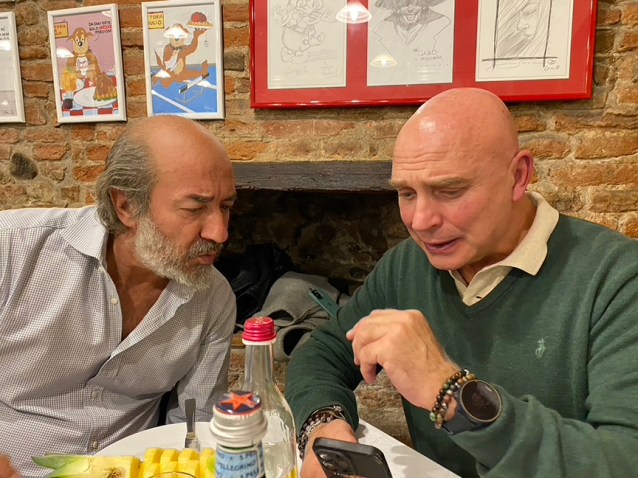
 After I finished my recent week of teaching at Slow Food U, I headed south to the gorgeous town of Lucca where Michele, his righthand person Paolo Tondat, and I had dinner at a classic Tuscan osteria (above).
 I’ve been so fortunate throughout my career to taste with some of the greatest Italian winemakers of our times. It gives you an insight into how to taste and what to look for in the wines. After all, no palates are more finely attuned than theirs.
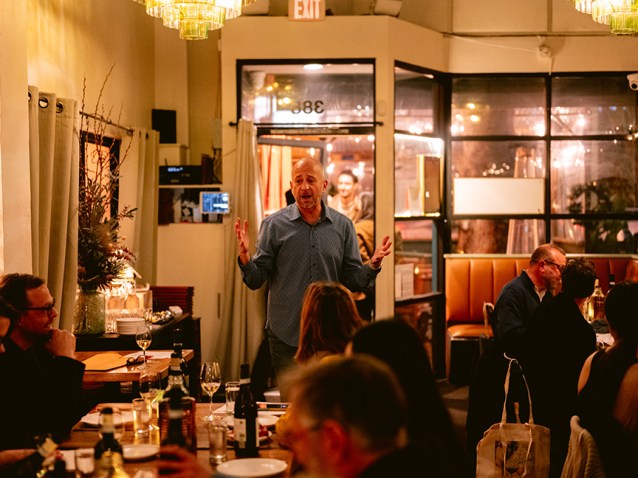 Super special thanks to the entire team @mamaoakland for an incredible evening and a fantastic menu last night for our packed @vinidabruzzo dinner! And warm thanks to the wine professionals who took time out for an industry night at one of Oakland’s most Italian wine-friendly and fun destinations. Lastly, a heartfelt thanks to @steviestacionis who didn’t think I was crazy when I proposed the event for a Monday in December. Apologies to all the folks we couldn’t fit in. I feel so blessed to be part of the international community of wine people. Thanks to everyone who made it possible. It was my last event of 2023! It couldn’t have been sweeter. Now time to get my butt back on a plane to Houston. Oakland, I love you.
  Happy Hanukkah!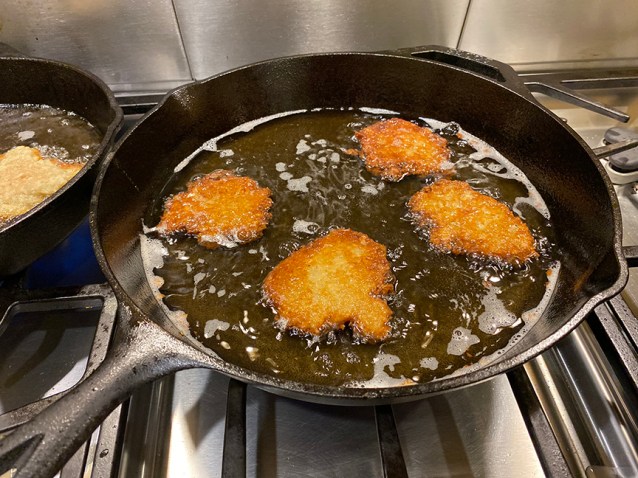
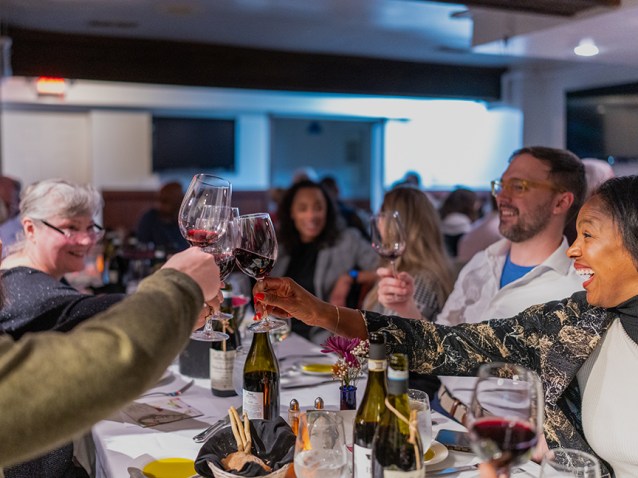 Image by
 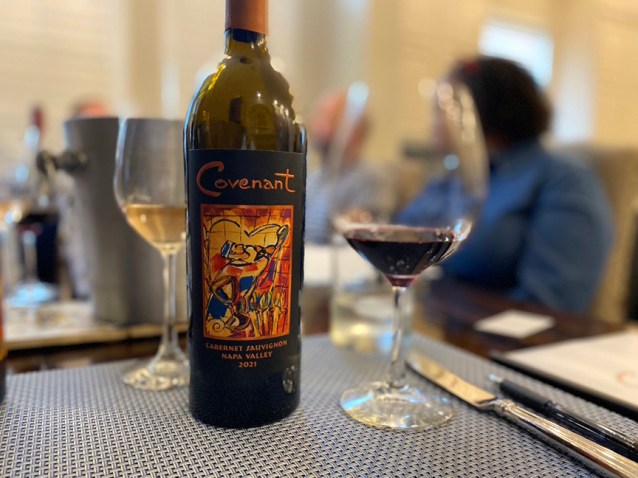 One of the begging questions that emerged from a tasting of (mostly) California wines yesterday in Houston was why do people think that kosher wines are inferior to treyf wines?
 Above: Montepulciano d’Abruzzo can be used to produce a wide range of styles. On Monday, December 11, at Mama Oakland in Oakland, we’ll be tasting a youthful, fresh Montepluciano, a rich and age-worthy Montepulciano, and, of course, a couple of Cerasuolo d’Abruzzo made from lightly macerated Montepulciano. I hope you can join us! Thank you for your support!
 You can imagine my surprise when my friends from Brescia (in Lombardy in northern Italy, about an hour and a half east of Milan) called me to tell me a month or so ago that Joe Bastianich had opened a restaurant there.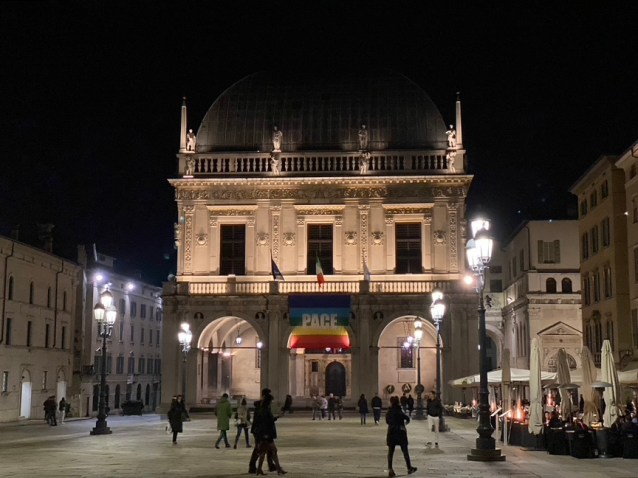
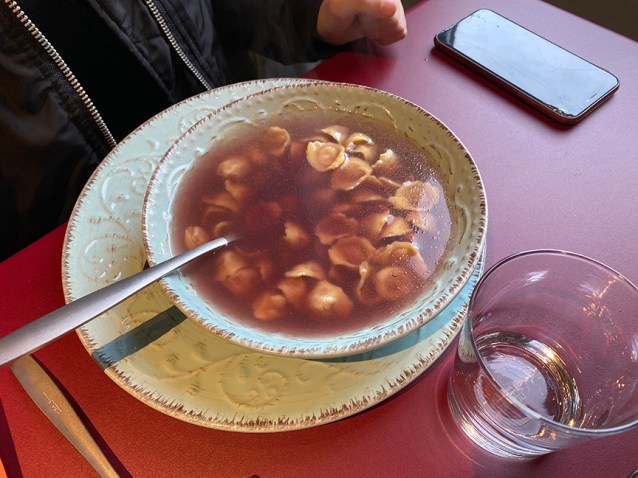 Man, what a trip to Italy! An evening in Brescia, four days of teaching in Piedmont, a night in Lucca, and a Saturday night and Sunday lunch coda in Reggio Emilia. A lot of travel and not a ton of sleep. But some great meals for sure.
  This griddle-fired coppa was another highlight at Pontieri. Super fun place and highly recommended. Make sure to take a stroll along the river.
 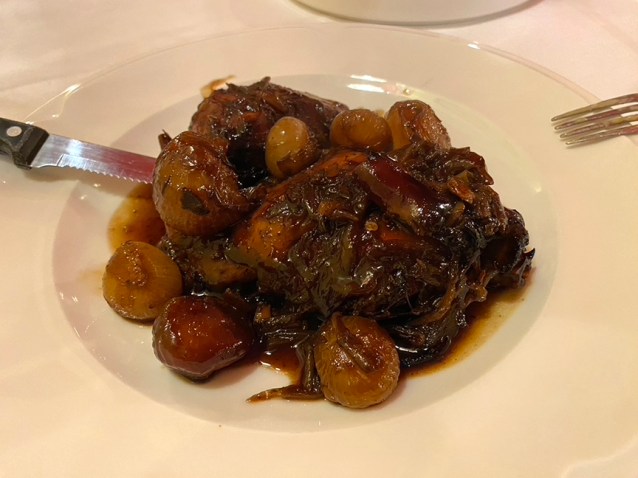 Stewed rabbit at Tre Spade in Correggio (Reggio Emilia). Forget Bottura! Eat here! Everything was off-the-charts delicious but the rabbit was a 2023 standout for me. Those are pickled onions in the sauce. This was so good. I’m literally salivating as I write this (sorry for TMI!). Paired with Lini 910 Lambrusco Metodo Classico. It couldn’t have been more perfect.
 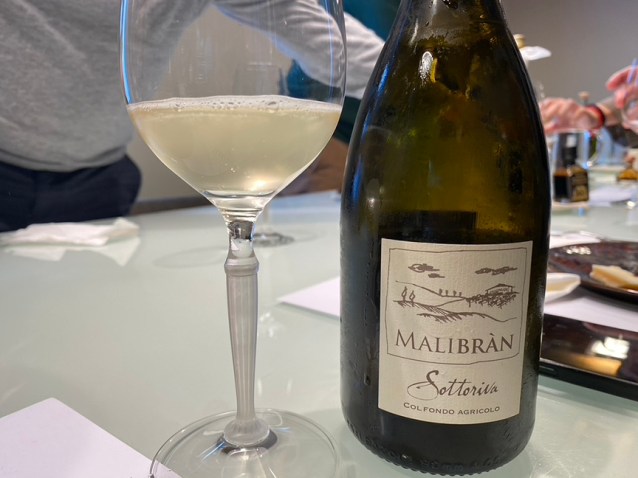 I found this never-before-tasted Prosecco Col Fondo in the most unlikely of places. Excellent. Note the Lalique stemware.
  There’s really nothing quite as good as a plate of Tuscan beans, is there? Paired with a popping Ciliegiolo at Da Giulio in Lucca. This one of those big, classic osterias, with great food. Another solid recommendation (especially for a city with a lot of more touristy dining options).
 According to a post published today by leading Italian wine blogger and publisher Filippo Larganà, Italian wine pioneer Michele Chiarlo has died at age 88.
 Do Bianchi