Tuscan authorities accuse grape growers of threatening landscape & environment

This just in: Italian wine blogger Jacopo Cossater has just reported that historic Valpolicella producer Bertani will not produce a 2014 Amarone Classico. “The rainy vintage of 2014 scores its first victim,” he writes.
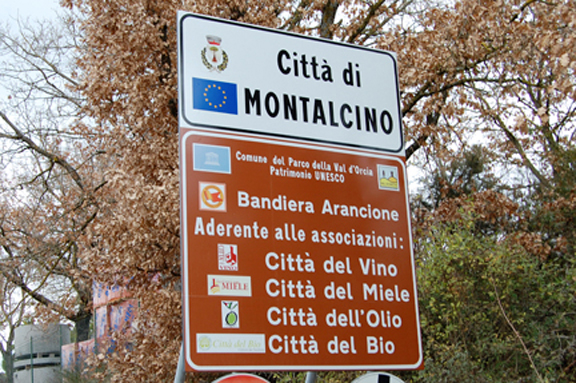
montalcino tuscany erosion wine grapes“We are being treated like assassins of our environment,” wrote Brunello producer Stefano Cinelli Colombini in an impassioned op-ed published by the popular Italian wine blog Intravino earlier this week. “And everything that we have achieved is being challenged.”

He was referring to the implementation and fallout of new environmental guidelines that were published in July 2014 by Tuscany’s regional authority.

The document, known as PIT (Piano di indirizzo territoriale or plan for territorial oversight), alleges that the widespread development and expansion of viticulture over the last decades has reshaped the landscape and caused grave environmental harm.

“Extended areas planted to specialized vines represent a great threat to the naturalistic value of the agricultural landscape,” wrote the authors of the survey.

“The modifications brought about by viticultural specialization have greatly altered the character of the traditional landscape. The result is banalization and homogenization.”

Vines, contend the authors, create “a risk of hillside erosion… In some cases, there is continued risk that the water table will be polluted.”

Viticulture, they claim, has become a “dominant monoculture” that reduces “ecological permeability.”

(You can download the survey in its entirety here. The quotes above are taken from ambito 17 or article 17, which addresses issues of sustainability and environmental practices in vineyard land. Translation mine.)

In the wake of the survey’s publication, reports Cinelli Colombini, many wineries have already been denied permits that are required by authorities for commonplace, workaday operations, like grubbing up or replanting vines.

Calling the allegations absurd, he points out that the development of viticulture and its infrastructure (including tourist facilities like tasting rooms, restaurants, and lodging) were fundamental in rebuilding the Tuscan countryside’s economy after urban migration significantly reduced the region’s population during the 1950s.

His dismay is echoed today in an interview with Brunello consortium president Fabrizio Bindocci published by the Independent.

“This administration wants to take agriculture back to the 1800s,” said Bindocci in the interview. “We take regular samples from the rivers and streams near my vineyards in Montalcino and we have not detected pollution.”

In a country whose citizens are accustomed to bureaucratic overreach, the survey has caused an uproar among grape growers and Italian wine trade observers alike.

“The world of Italian politics has shown how terrible it is, without even trying,” wrote Intravino editor Alessandro Morichetti on Twitter yesterday.

“The agricultural landscape changes in accordance with economic necessities. And this needs to be accepted,” opined leading wine writer and enologist Maurizio Gily in the same Twitter conversation.

Translations mine.
A slice of Americana at Cleburne Cafeteria in Houston #nostalgia

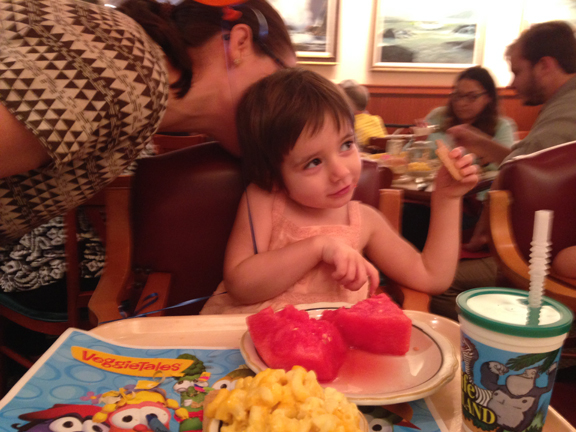
best cafeteria houstonParzen family enjoyed a lazy Sunday lunch yesterday at the Cleburne Cafeteria in Houston, a classic and wholesome self-service eatery that revels in its 1950s origins without even the faintest trace of irony.

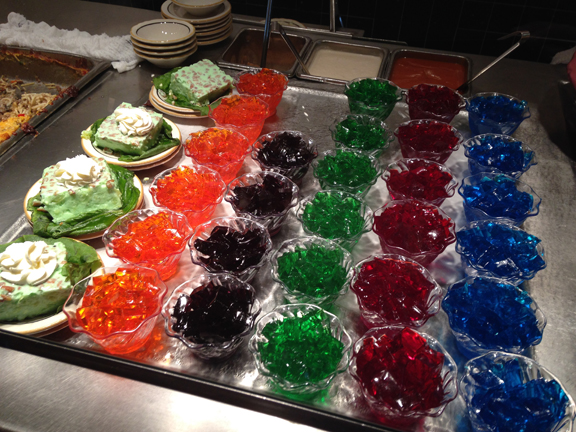
best jello recipeAs you make your way to down the chow line, tray in hand, you walk through a living museum of the pre-arugula-nation era.

chicken and gravy potatoes mashedI had fried, flattened chicken breast, mashed potatoes and gravy (choice of white or brown gravy) and a fresh salad, well washed and tasty.

Tracie P shared her fried haddock, black-eyed peas, and green beans with our girls.

Georgia P wasn’t so keen on her macaroni and cheese (unusual for her, but understandable in the light of the fact that she ate five pieces of bacon and waffles for breakfast). Lila Jane LOVED her baked spaghetti.

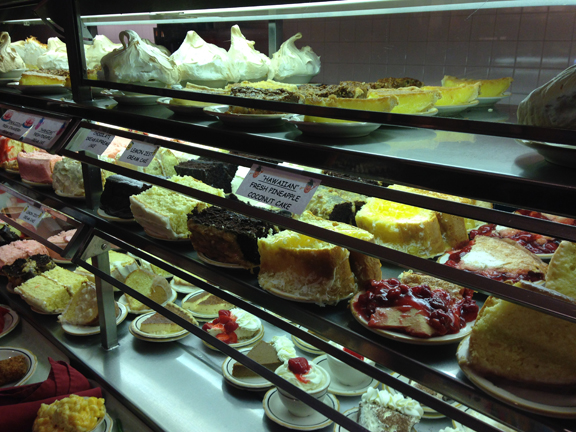
lemon meringue pie recipe bestWe skipped dessert but you get the picture.

Beyond the kitsch and genuine nostalgia, the thing that made it an A+ experience was how well-oiled and friendly the service was.

Although it’s is a self-service restaurant, the servers — well appointed in tidy 1950s-era black maid uniforms with white trim — aid elderly guests and parents with small children, offering to carry the trays to the table. And they periodically check in with diners to ask “is everything okay, can I get you something?”

And just as we were winding down, at just the right moment, our server arrived with orange balloons.

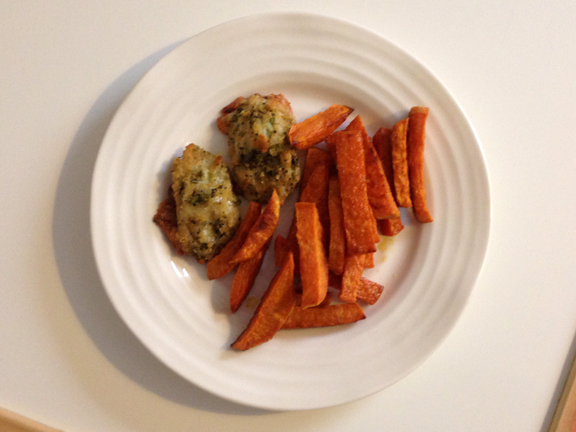
sweet potato fries french recipeLest you fret that we’re not feeding our children well, please know dinner was organic sweet potato baked French fries and organic broccoli and cheddar fritters.

We do live in the arugula-nation era, after all.

HAPPY LABOR DAY, everyone!

Remember the workers…

Thoughts & prayers for our friends in #NapaQuake

napa earthquakeAbove: my favorite Napa-based blogger Vinogirl posted this image on her blog Vinsanity yesterday.

It’s never a good time for an earthquake.

I remember the 1994 Northridge earthquake well: I was living in the Hollywood Hills at the time and it was a terrifying experience (magnitude-6.7, 4:31 a.m.).

Today, our thoughts and prayers go out to our friends and colleagues in Napa and Sonoma, where a magnitude-6.0 earthquake struck early Sunday morning.

See this post by W. Blake Gray for WineSearcher.com on the earthquake and its effect on the wine trade there. And see also Vinogirl’s post on her family’s personal experience. And see Antonio Tomacelli’s gathering of images he culled from social media on Intravino.

I’ve read a number of accounts where grape growers and winemakers point out that the damage would have been worse had the earthquake come later in the harvest and the 2014 vintage were in the cellar. Tumbled tanks and cracked casks would have results in bigger losses for wineries.

But it’s never a good time for an earthquake.

Napa and Sonoma friends and colleagues, please know that you are in our thoughts and our prayers.

Indigenous grape pioneer Paolo Rapuzzi has died

paolo rapuzziFriulian grape grower, winemaker, and founder of the Ronchi di Cialla winery, Paolo Rapuzzi (above, center) has died.

He passed away in his sleep on August 13, said his son Ivan.

Rapuzzi was a much beloved figure in Friuli, where his legacy as a pioneer in reviving indigenous grape varieties continues to shape local viticulture.

He was among the first in a wave of growers who embraced native grapes in the late 1970s.

And his superb wines — especially his coveted Picolit — are treasured by Italian wine insiders.

Please see this profile of Rapuzzi that I wrote for the Colli Orientali del Friuli consortium a few years back.

Google him and you will find that many of my peers and colleagues were inspired by him as well. He was a sweet and gentle man and he shared a little bit of his magic with everyone he touched.

His contribution to Friulian — and Italian — viticulture played a fundamental role in the current Italian wine renaissance.

Extraordinary Piedmont white: 2004 Malvirà Tre Uve (& harvest updates)

malvira tre uveOn more than one occasion, I’ve heard Angelo Gaja say that white wine is a category with immense potential for growth in Italy.

There are a handful of whites from Piedmont that have captivated the imagination and palates of Italian wine lovers: Gaja’s Gaia e Rey (I remember tasting 1994 with him at the winery a few years ago), Aldo Vajra’s Riesling (he likes to call it “a wife for Barolo”), Ettore Germano’s Riesling (such a focused, brilliant wine), and Walter Massa’s Timorasso (we all remember when this wine hit the U.S. scene and knocked everyone’s socks off) are some of the more memorable.

But they remain just a handful. Unlike Friuli, Campania, and Jesi/Matelica, where white wine is a long established category with myriad standouts and impressive expressions of longevity, Piedmont has yet to make its mark as one of the greater producers of vini a bacca bianca.

I was a little skeptical when my good buddy Nathan hooked me up with a bottle of 2004 Tre Uve by Roero producer Malvirà. I know the winery but, with spotty distribution, you don’t see much of its in wine in the U.S. today.

It’s a blend of Chardonnay, Sauvignon Blanc, and Arneis. According to WineSearcher (and what Nathan told me), 2005 is the current vintage available.

This wine had all the right stuff: freshness, acidity, clarity of fruit (stone and white fruit), and wonderful vibrancy. Ten years out from its harvest, it had depth and nuance and it danced on the palate. Great wine.

It aromatic breadth rivaled some of the great white blends that you see from Collio’s top wineries.

A truly original and exciting wine imho. Could Chardonnay blended with aromatic varieties be the future for Piedmont whites? If this is any indication of their potential, I think the winemaker at Malvirà is on to something great.

In other news…

I continue to receive tragic reports from northern Italy, where seemingly incessant rains have seriously threatened the vintage.

I hate to bear bad news but today I heard about a Lambrusco producer who has virtually lost his entire crop. And a friend from Friuli (Colli Orientali) wrote that some growers are fearful that they will not have any fruit to vinify.

In Tuscany, things are looking up. The vegetative cycle — which started extremely early — is now moving very slowly. The cool weather has helped to balance out the accelerated start (caused by a very mild winter).

If sunny days arrive, one producer told me today via Facetime, they could have a great vintage. It’s all a matter of how much sun they get between now and harvest. She’s in Chianti Classico where they expected to harvest as late as mid- to late-October.

That’s all the news that’s fit to post. Thanks for reading.

Kurniawan, the Rabbi, and the Ham Sandwich

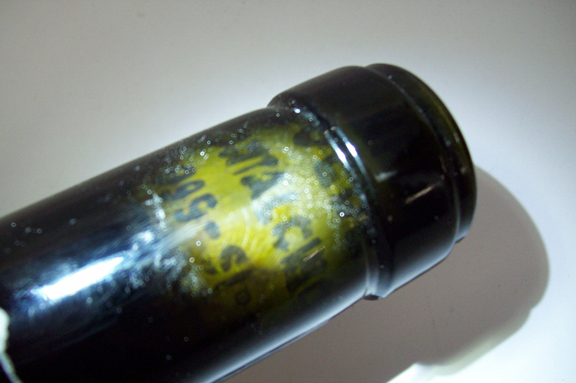
branded corkAbove: a friend at a major wine auction house once asked me to help out with the authentication of a lot purportedly from one of Italy’s most exclusive producers. In the end, she established the wine’s authenticity by verifying that the corks were branded and not printed (branded with an iron as opposed to printed with ink). The winery began using printed corks after the vintage in question.

Reflections on the affaire Kurniawan inspired by Mike Steinberger’s excellent post for WineSearcher.com, “Rudy, Fraud, and Wine Snobs” (my post today for the Boulder Wine Merchant).

Thanks for reading and buon weekend.

“Disaster” harvest 2014, potentially northern Italy’s rainiest vintage in our lifetime

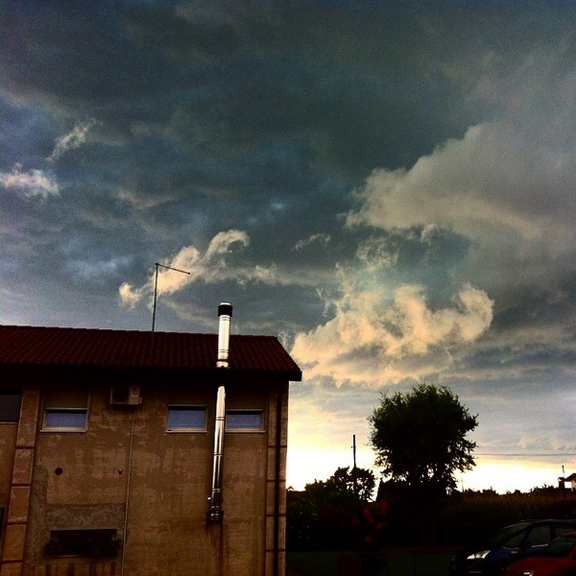
rain veneto harvest 2014Above: my friend and client Luca Ferraro, grape grower and winemaker in the Prosecco DOCG, posted this photo on his Instagram this morning, noting that the 2014 is a “disaster… I’m losing hope,” he wrote.

As some northern growers have already begun to pick (Franciacorta) and some are preparing to harvest in roughly two weeks (Asolo-Conegliano-Valdobbiadene), incessant rains continue to plague embattled winemakers in northern Italy this week.

Scattered hailstorms have already caused widespread damage this year, particularly in Piedmont and to a lesser extent in Franciacorta and Prosecco country.

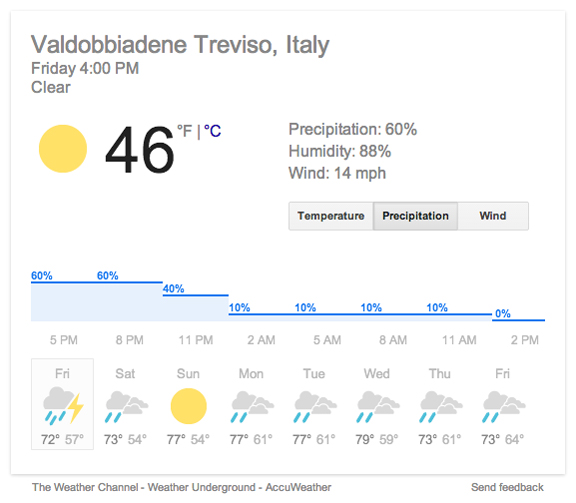
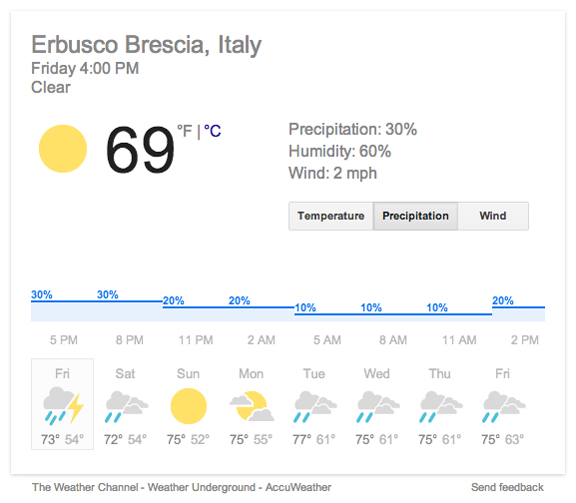
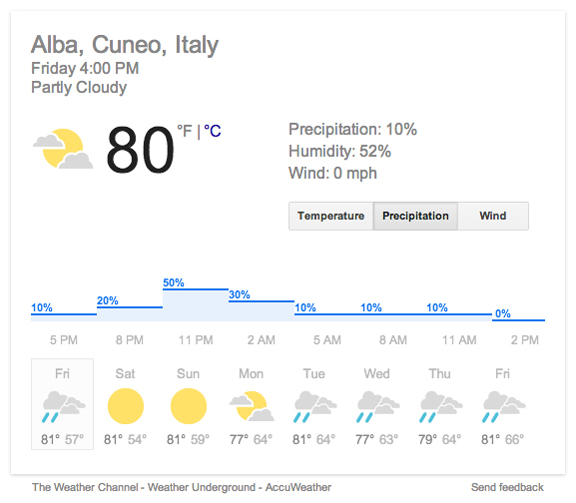
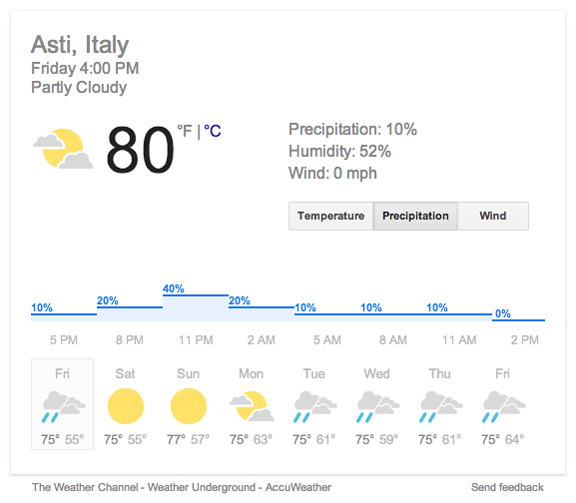
The following screen captures show weather forecasts for Valdobbiadene, Erbusco (Franciacorta, where they are already harvesting), Alba (Barolo and Barbaresco, the appellations hardest hit by hail this year), and Asti (Barbera and Moscato d’Asti).

The relentless precipitation is making it increasingly challenging for growers to combat rot and mildew in the vineyards.

My friend and client Luca Ferraro, a Prosecco producer, wrote last week that he’s abandoning in growing sites in the flats this year so that he can focus his already herculean efforts to save his hillside vines.

Piedmont is getting the warmth that it needs but note the cool temperature today in Valdobbiadene just two weeks from expected harvest.

valdobbiadene

erbusco

alba

asti