
 During a September 2022 visit to the Anselmi winery in Soave, there was a worker burning weeds in the small parking lot across the street. He had a small blow torch and a canister of propane on his back.
As grower and winemaker Roberto Anselmi accompanied his guest to his Suzuki four-wheeler, which was parked in said lot, he explained that they were experimenting with weed burning because they want to avoid the use of any pesticides or other synthetic products.
Anselmi’s quasi-religious fervor in eliminating chemicals from the world was echoed this month in a press release issued by the family: for the first time ever, they wrote, they will be making wines using disease-resistant hybrid grapes that they have been experimenting with for more than two years.
But the reason they offer might not be what the naked eye expects.
The severe weather events brought on by climate change have made grape growing and winemaking increasingly challenging for Europeans. And there has been much chatter in recent years about how disease-resistant hybrids are one of the paths forward.
But as Anselmi points out, severe weather — prolonged heatwaves and drought, extreme rainfall and hail, etc. — has also caused grape farmers to rely increasingly on synthetic fungicides to protect their vines from disease.
Viticulture represents only three percent of Europe’s total agricultural production, he notes. But roughly 65 percent of fungicides used in European agriculture is employed by winemakers.
Disease-resistant hybrid varieties could reduce that number significantly, he believes.
Although not certified organic, Anselmi has practiced and proselytized chemical-free farming for decades. It’s a major part of his family’s approach to high-quality winemaking.
But as they underline in their statement, they are convinced that disease-resistant hybrid grape varieties are going to be a key element in combating Italy’s growing soil pollution.
The 2023 vintage of their iconic San Vincenzo is being made with three hybrids: Aromera, Riesling Resistente (“Resistant Riesling”), and Souvignier Gris.
I can’t wait to taste it.
Disclosure: the Anselmi statement came across my desk thanks to my client Ethica Wines.
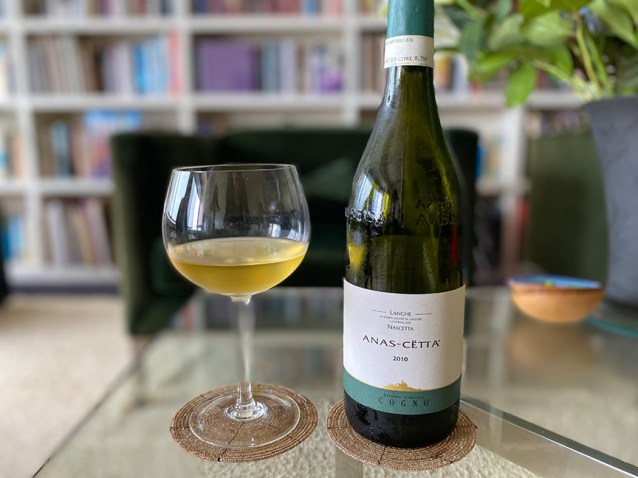 Back in 2010, when wine blogging was trending like Taylor Swift, an Alba-based media company asked me to lead a group of writers to Piedmont. The occasion was “Barbera Meeting,” an early iteration of the big Barbera tasting and dinner they do each year in Nizza.
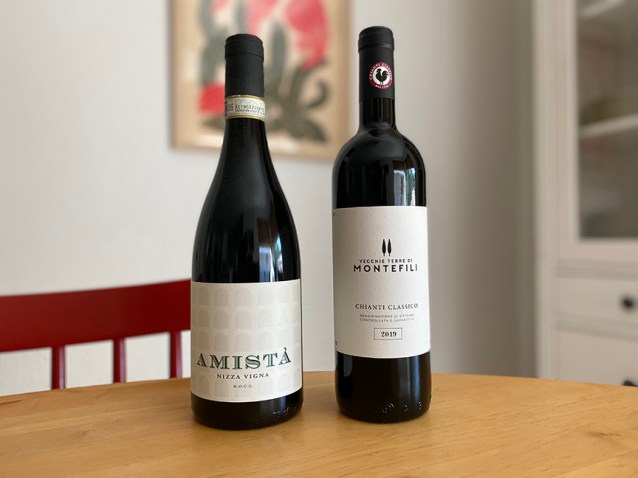 One of the ways that I keep the lights on here at Do Bianchi is through my retail and wholesale wines program in California.
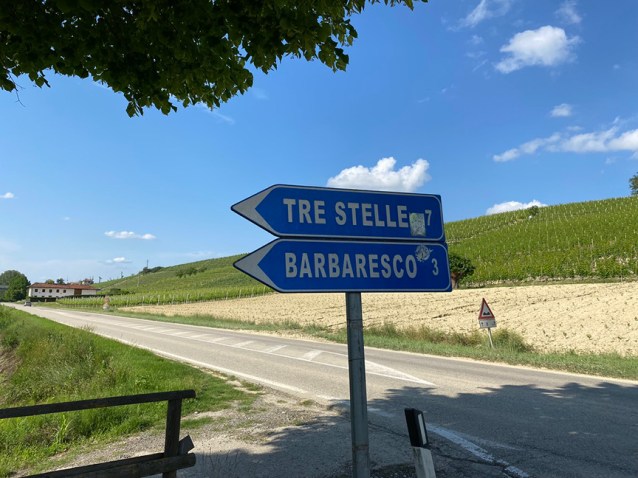 Most Italian-focused wine professionals in the U.S. face a sticky linguistic challenge: how to distinguish between the classic expression of an appellation and a vineyard-designated or riserva category.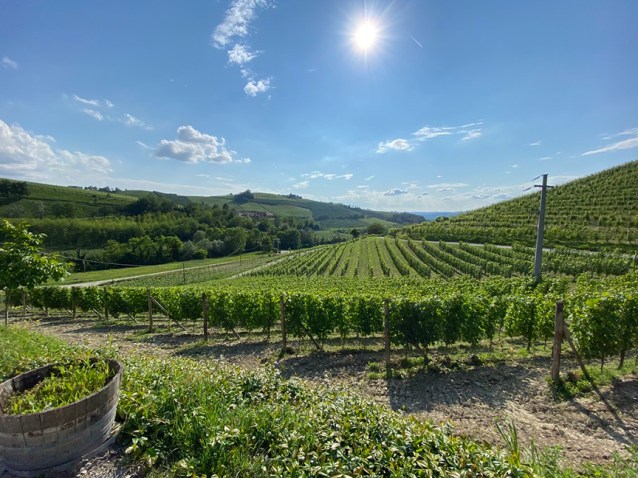
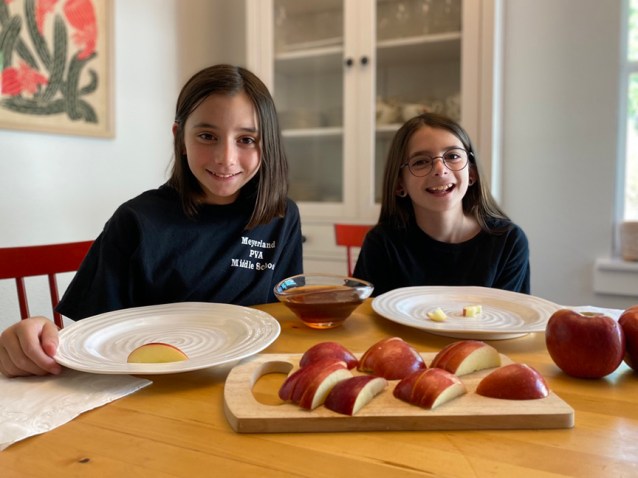 Shanah tovah, everyone! Happy new year!
  It seems like another world, doesn’t it?
  Above: picking dates came about two weeks later than they did in 2022 according to
  Remember the song from the 70s by Orleans?
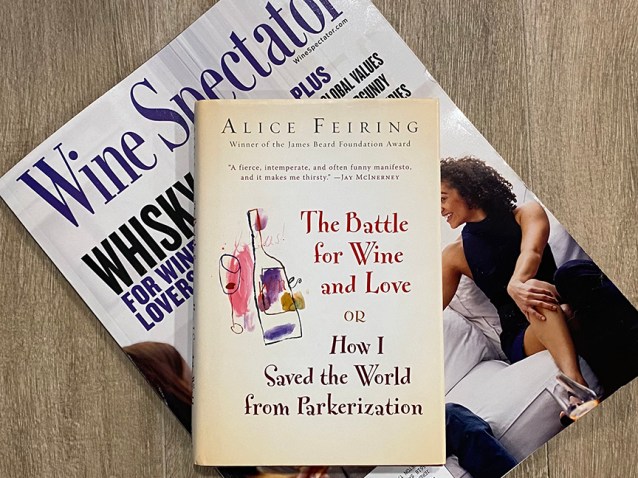
  Shelley was swamped with fans when I ran into her a few weeks ago at TexSom near Dallas. She was there for a signing of her new book
  This was the best chickpeas and chicory I have ever had in the U.S. It was insanely good.
 The caponata was another classic that really impressed.
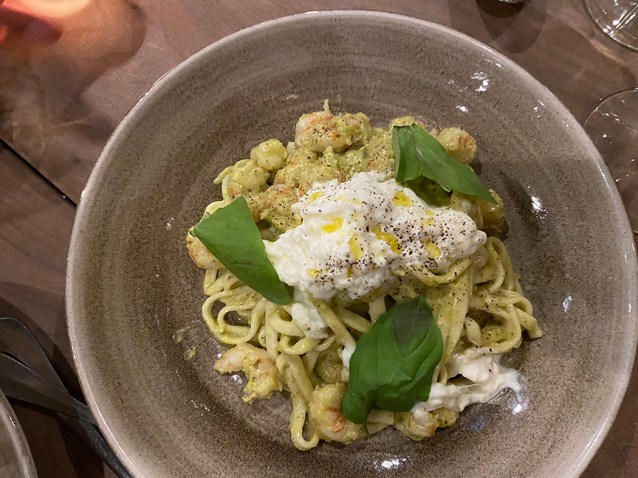 This was just one of the three pastas we had, each excellent.
 That’s an image captured in the Fernet Branca bottling facility on Desbrosses St. in lower Manhattan just south of Canal St. It was taken sometime in the 1990s.
  There’s a long Californian tradition of growing Italian grape varieties that stretches back to the early wave of Italian immigration to the state in the late 19th century.
 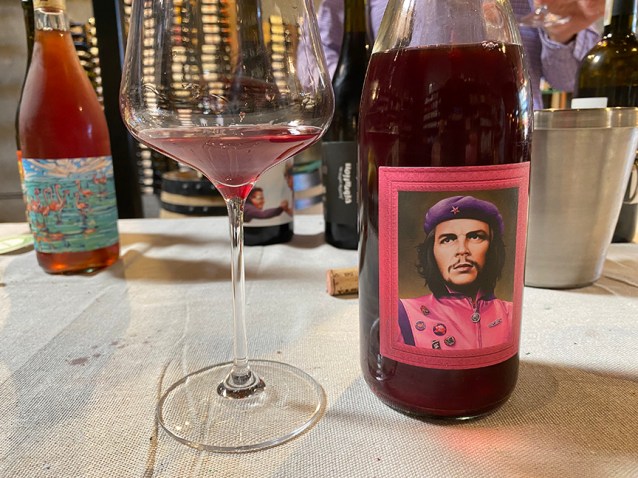 All the wines are spontaneously fermented. And little to no sulfur is added.
  I also really loved how clean the wines were. That’s another tricky issue for producers of uninoculated wines.
 Do Bianchi